Archive for the ‘Photos’ Category
Sunday, November 19th, 2017
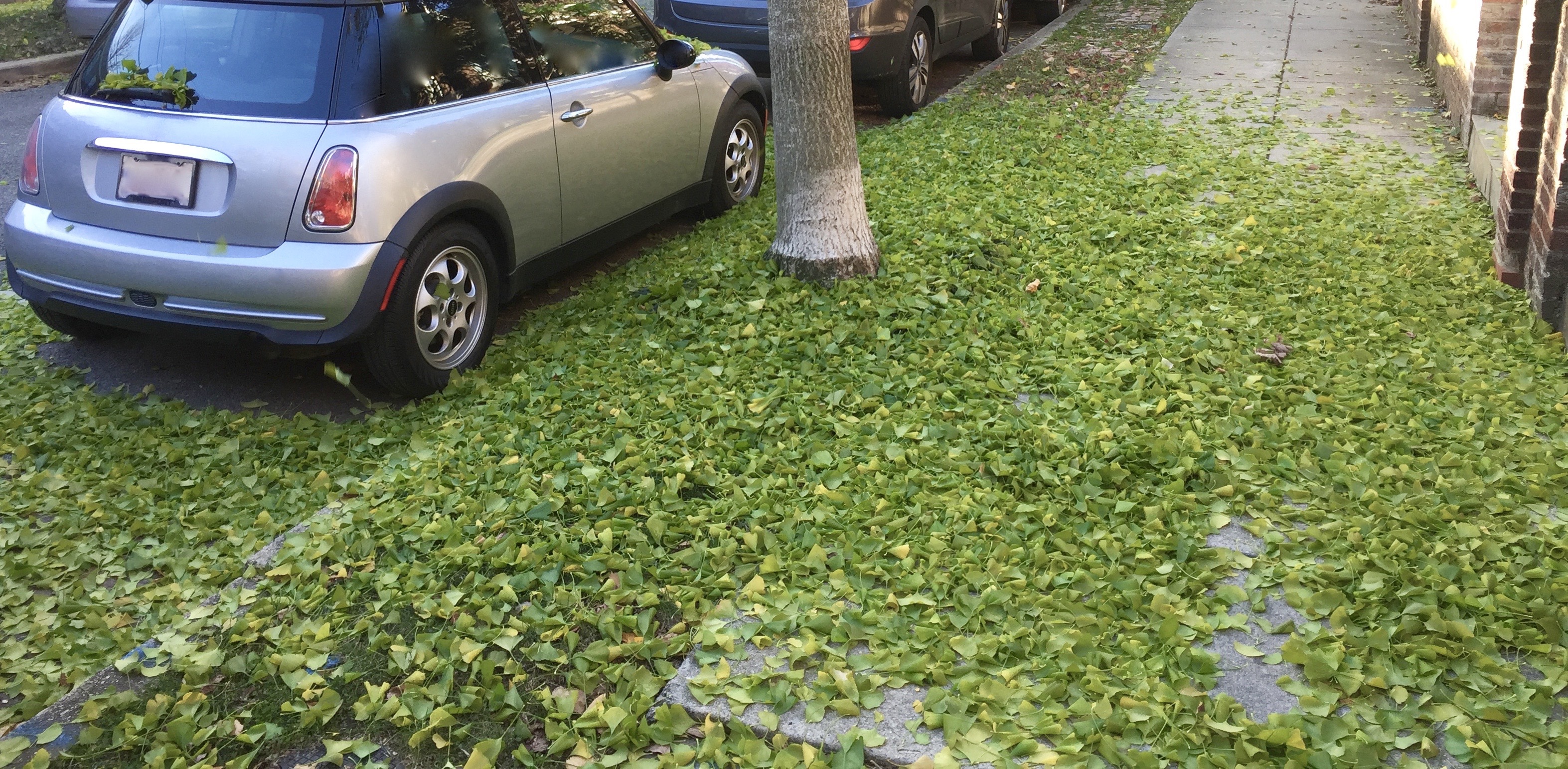
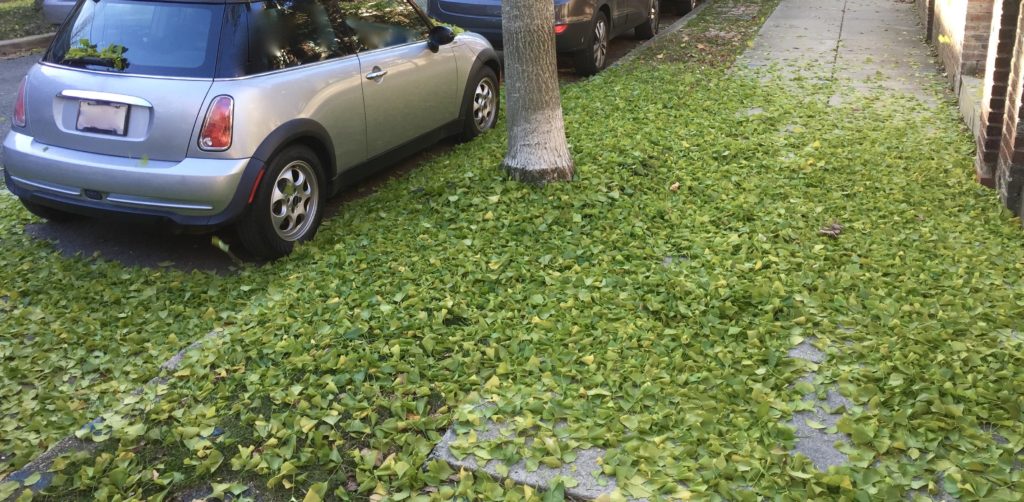
Cold weather was overdue in Washington, DC, and so it was no surprise to us when an overnight freeze on November 11th hit the ginkgo trees in the neighborhood. A day before the youngest specimens still sported bright summer green. And so the freeze, and the ginkgo specie’s traditional all-at-once leaf dump that followed immediately, created a pile of leaves not of the usual autumn gold, but of this hue:
.
.
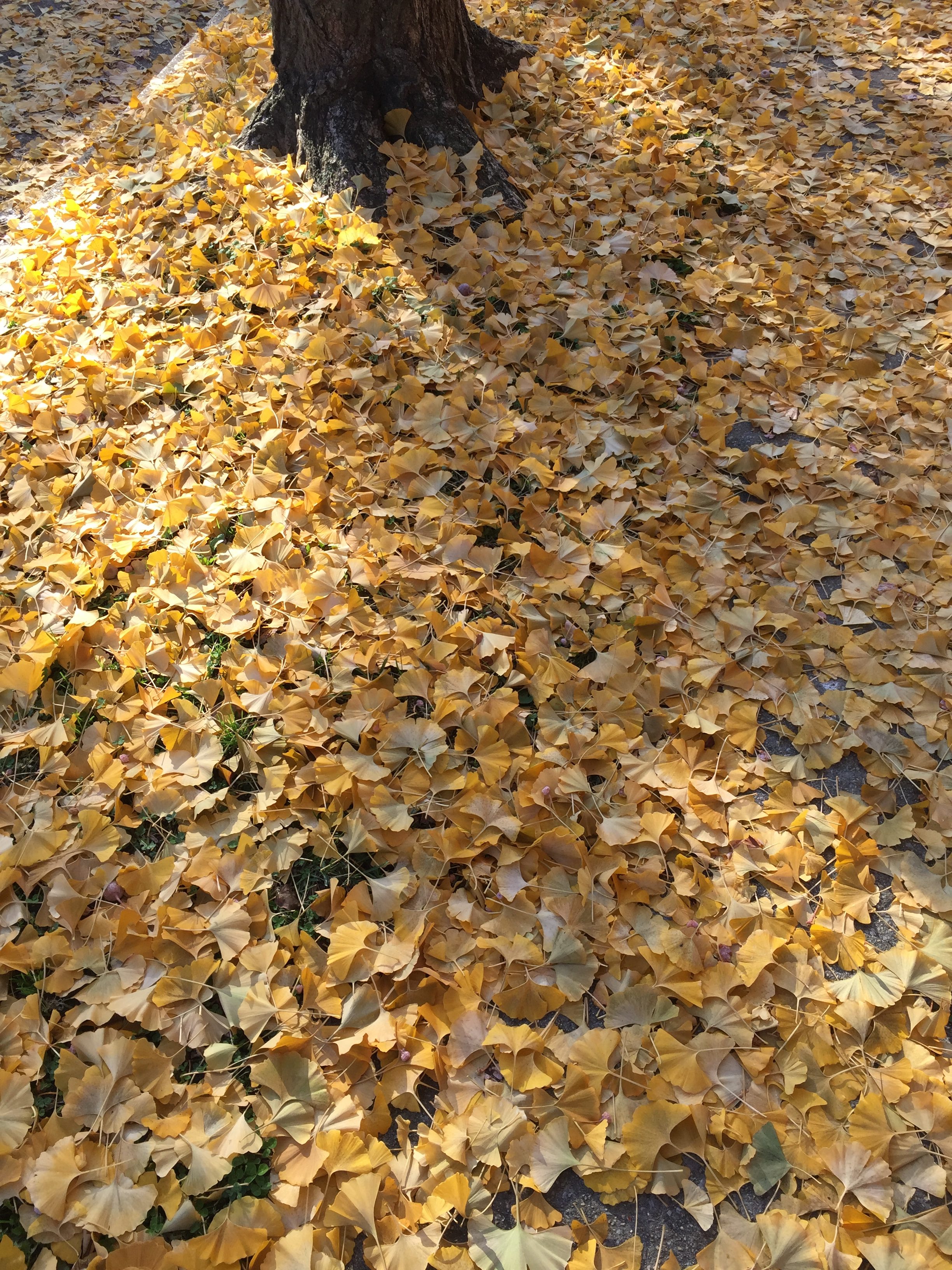
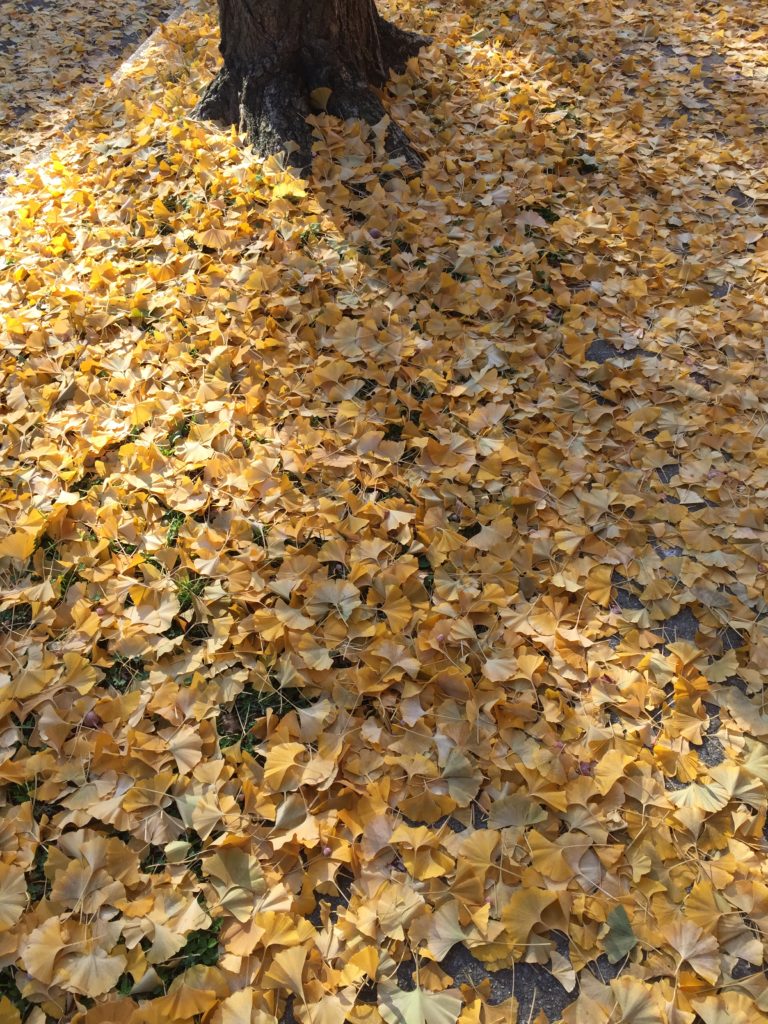
A few days later, though, when the oldest trees shed their final bits of raiment, the natural order of things was righted. A tradition was restored.
Sidewalks paved with gold:
.
.
Tags:ginkgo, Ginkgo biloba, gold, green, Robinson Meyer, sidewalk, The Atlantic
Posted in Nature, Photos, Uncategorized | No Comments »
Friday, September 29th, 2017
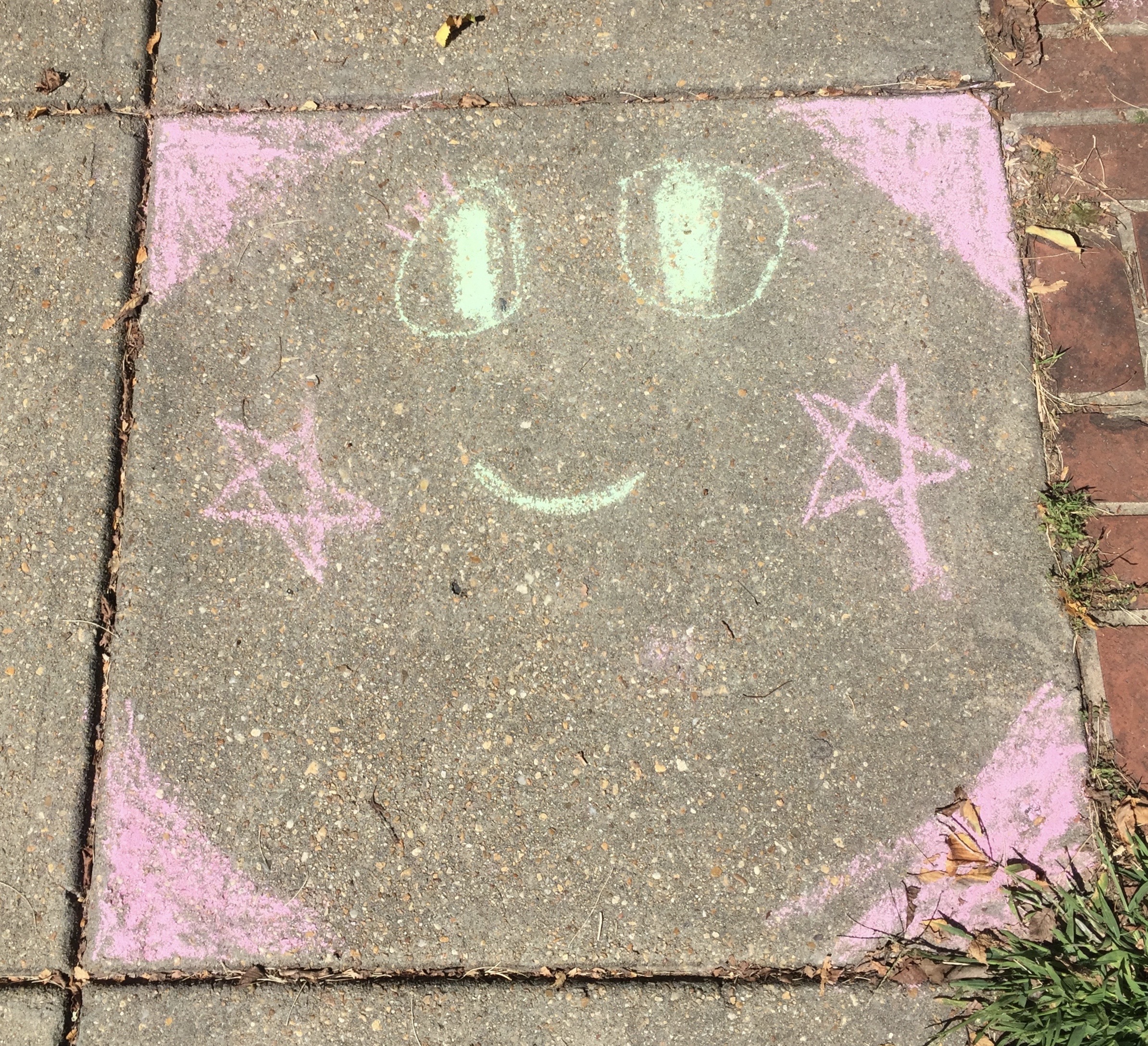
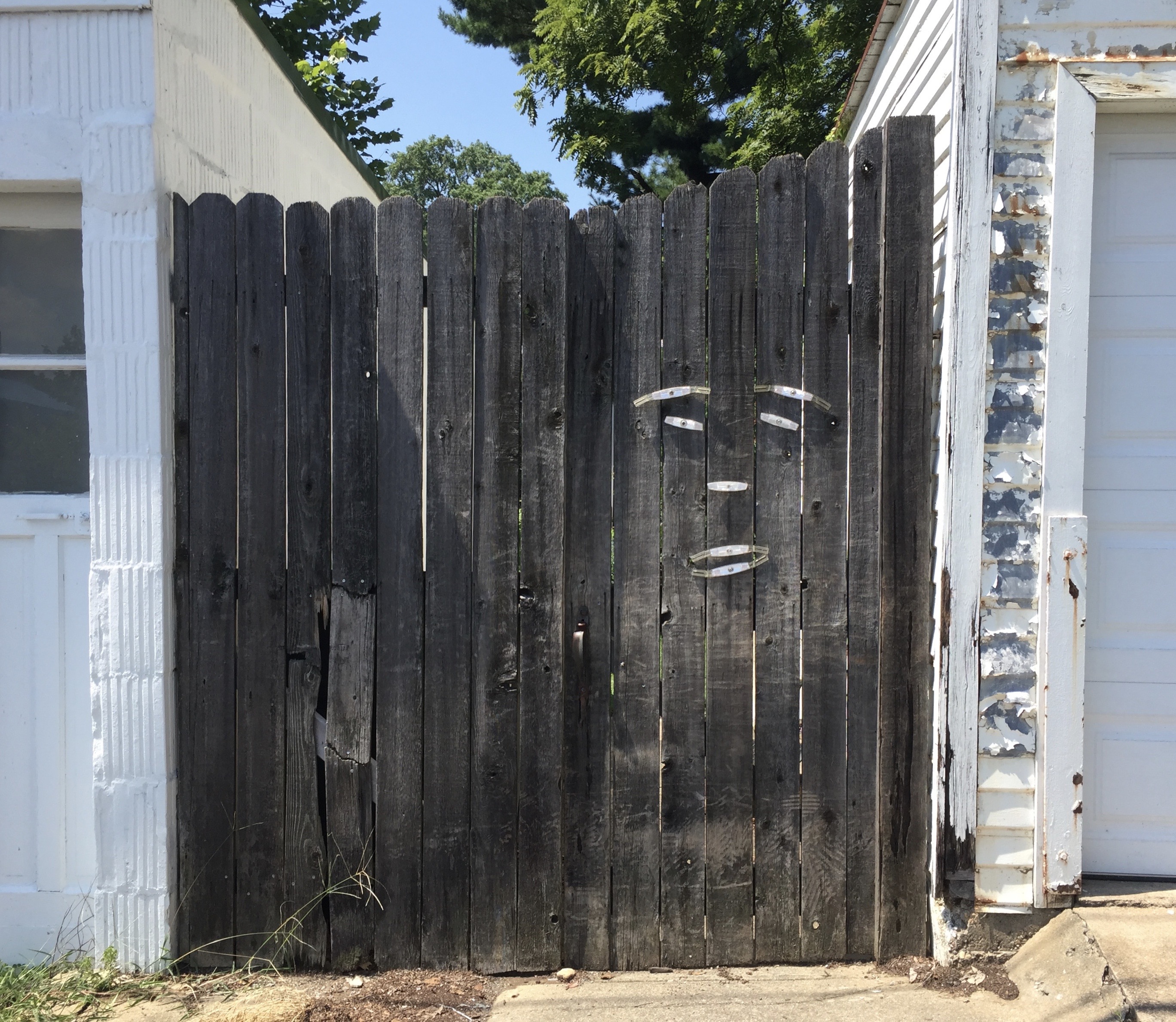
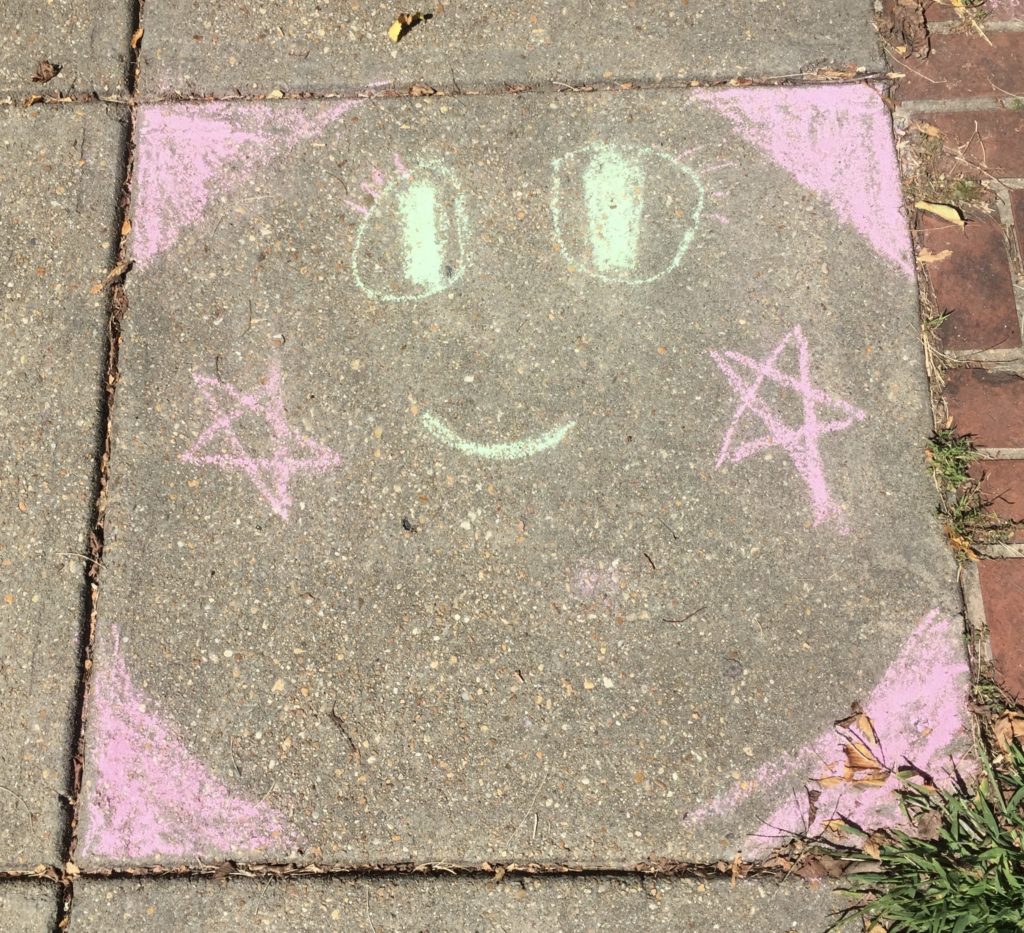
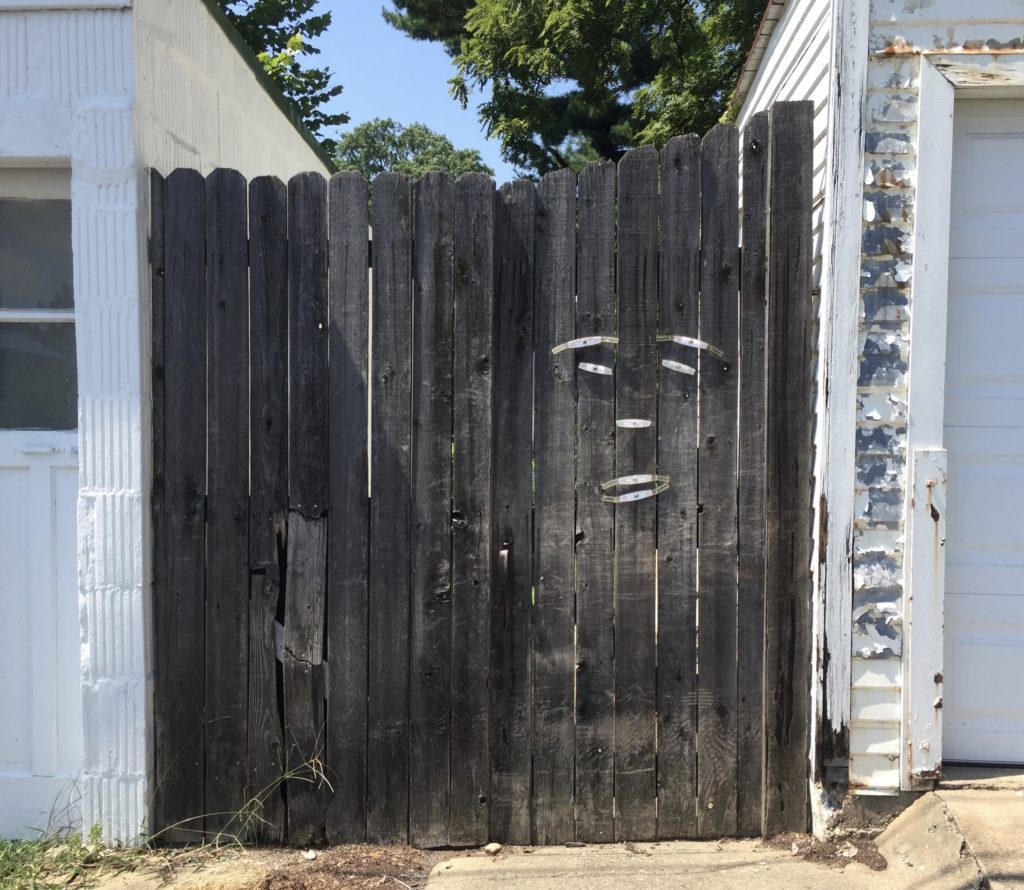
Recently in the Glover Park neighborhood of Washington, DC, two new faces appeared.
.
 .
.
 .
.
Tags:bicycle, bike, chalk, face, faces, Glover Park, pavement, reflector, reflectors, sidewalk, Washington DC
Posted in Art, Let's Face It, Photos | No Comments »
Saturday, September 2nd, 2017
.
.
.
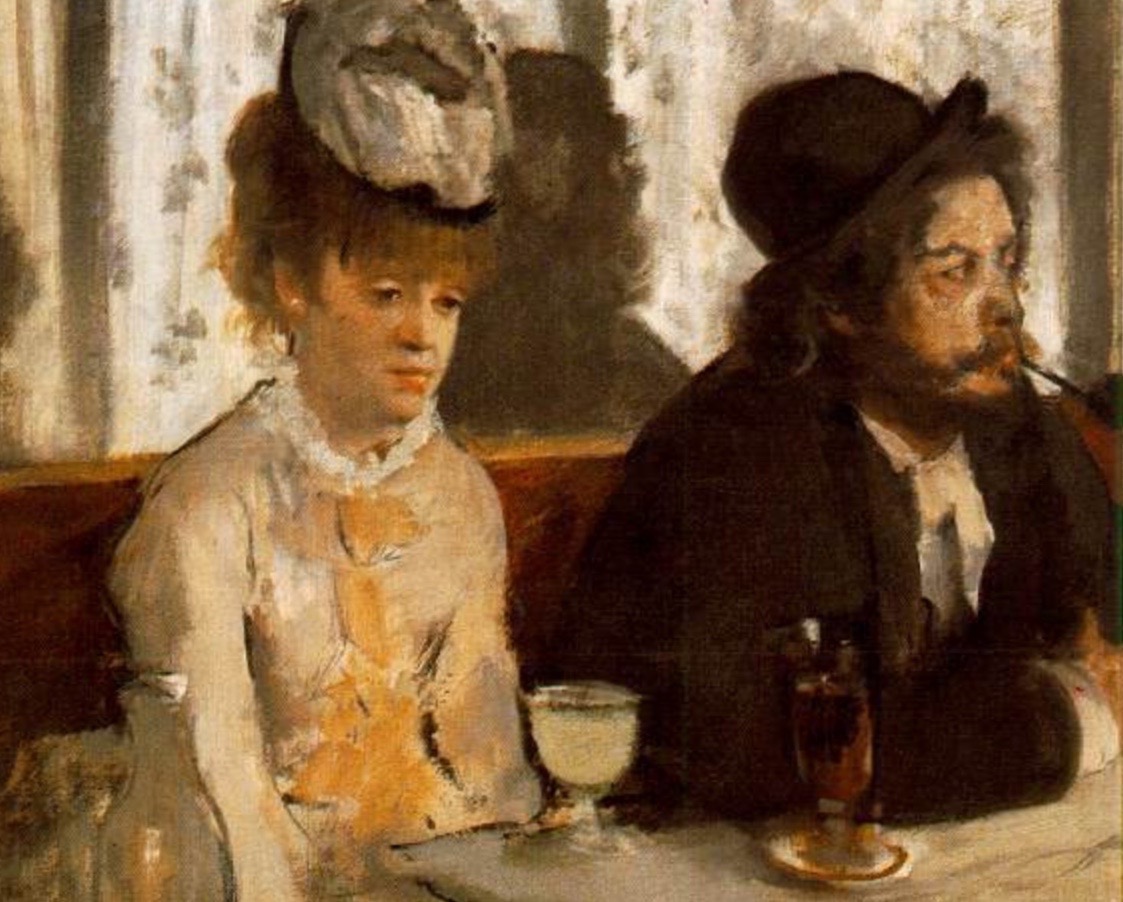
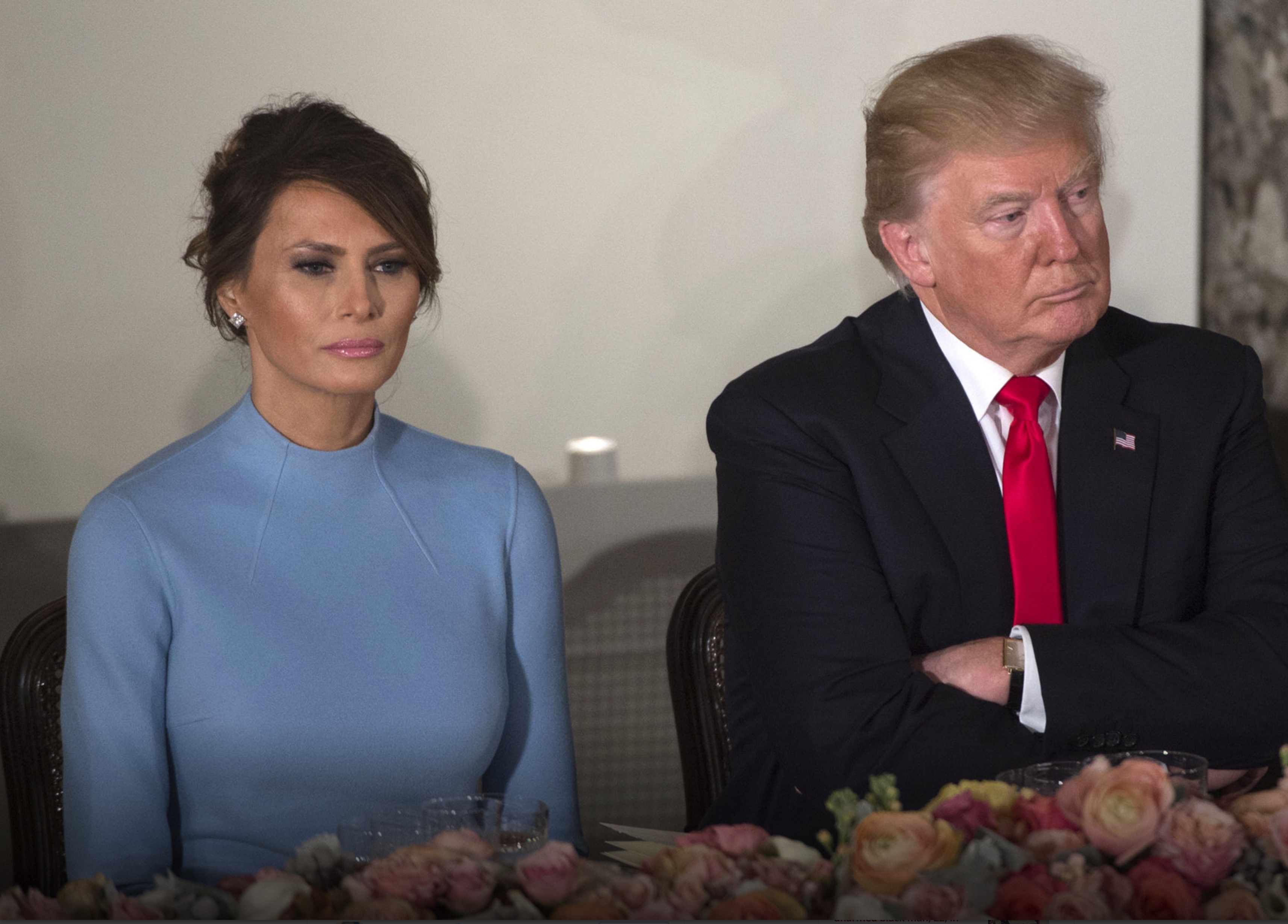
Tags:A Couple of Bored Twosomes, Absinthe, Degas, Donald Trump, Drinker, Edgar Degas, Melania Trump, The Absinthe Drinker, Three Bored Twosomes
Posted in Culture, Photos | No Comments »
Monday, August 21st, 2017
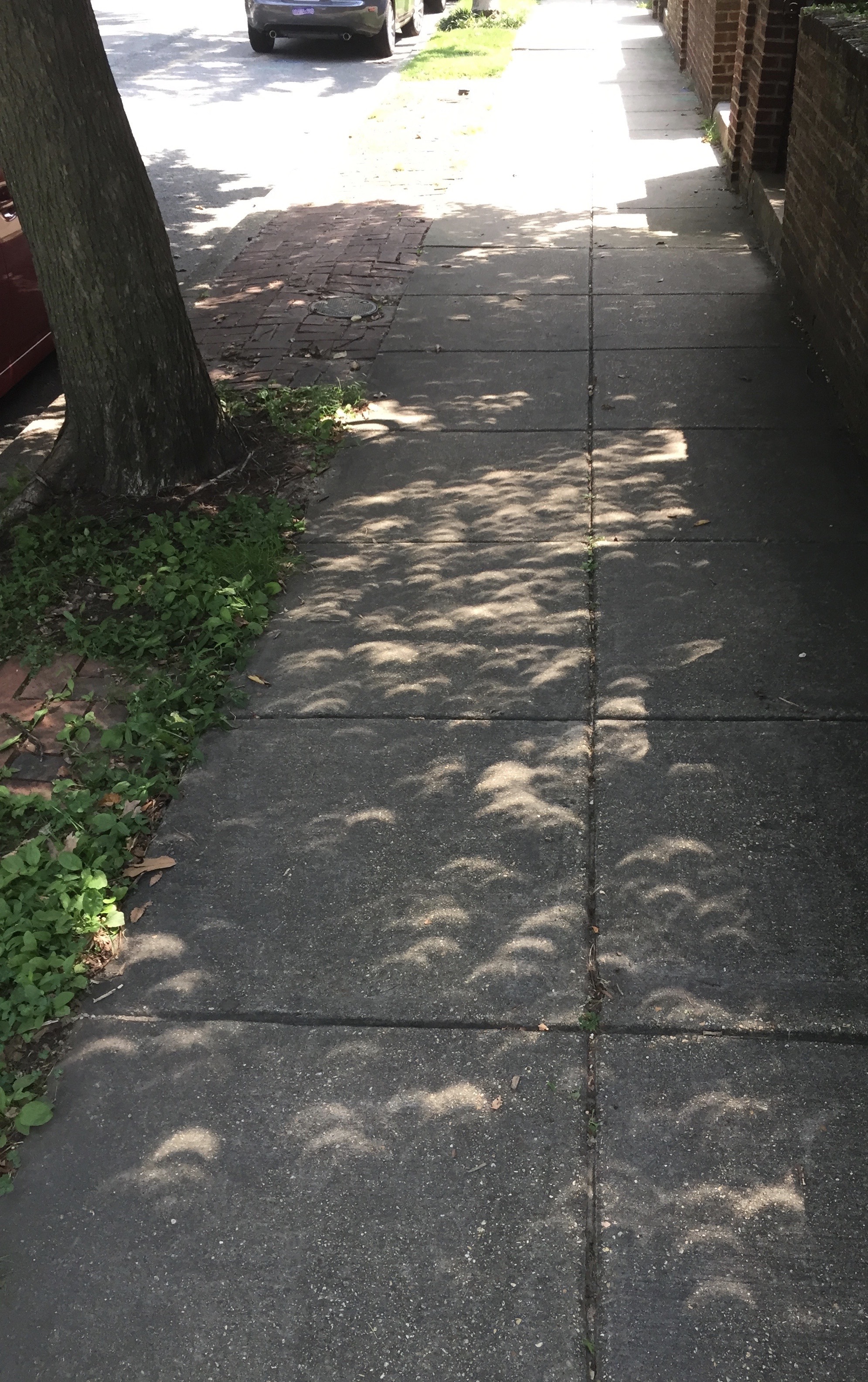
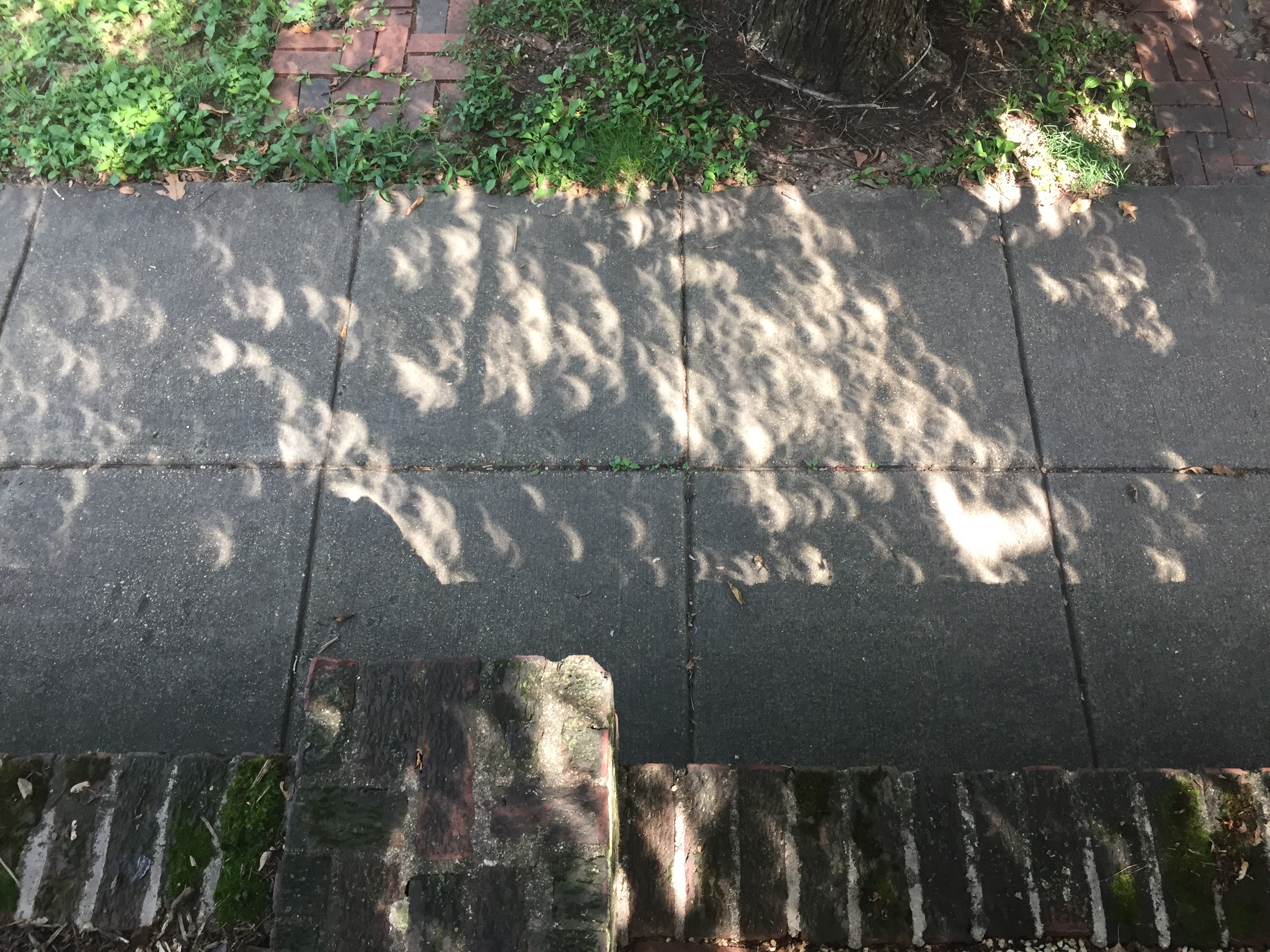
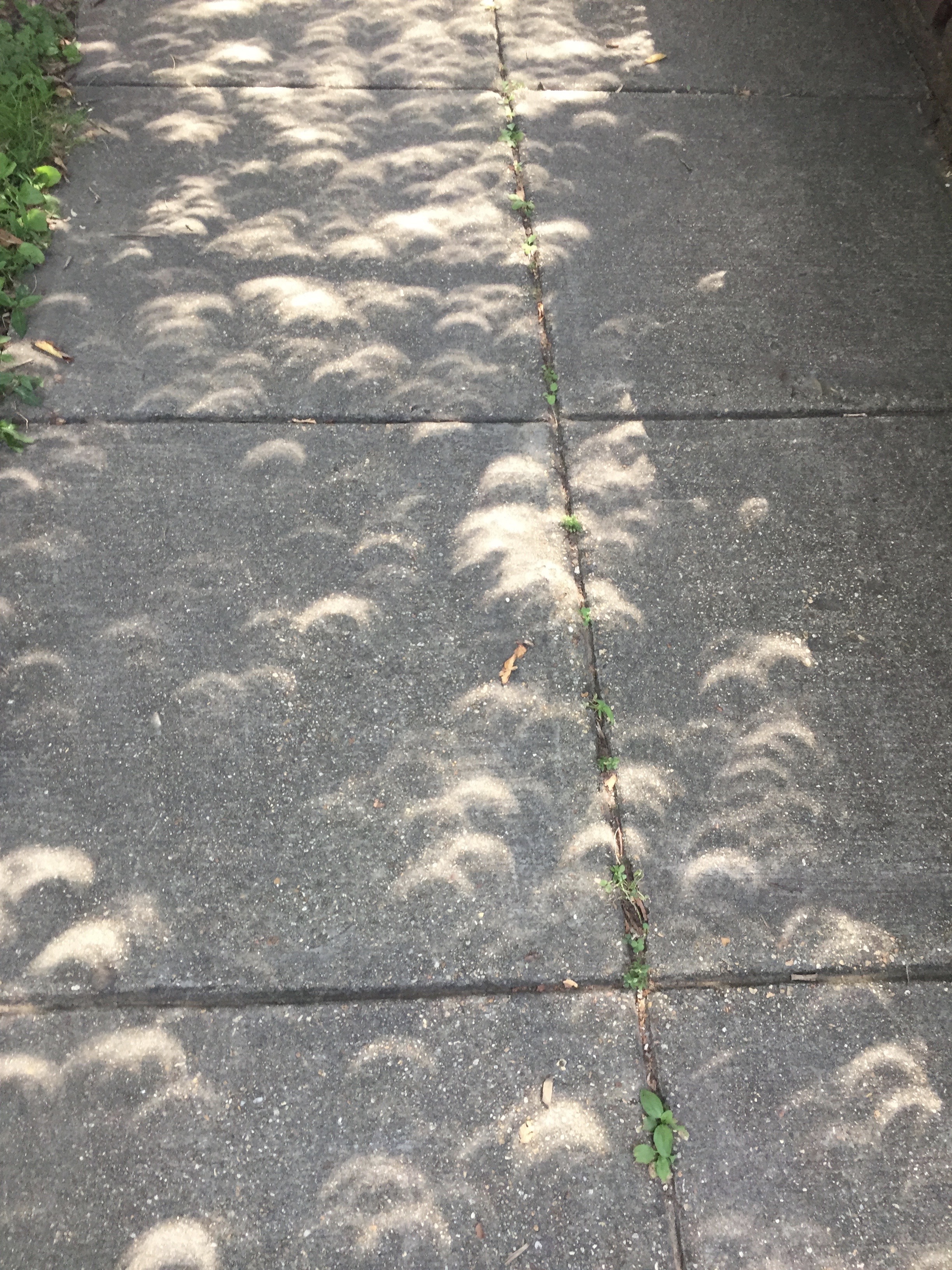
During the height of the solar eclipse this afternoon in Washington, DC, when the moon occluded 82% of the sun’s disc, a neighbor pointed out to me how strangely the sun’s remaining light was filtering through the foliage of the large Japanese maple tree in my front yard. Openings in the tree canopy were operating as pinhole projectors. The sidewalk became a canvas for dozens of elusive, feather-like crescent shapes. You sensed this was a strange visitation, one that would prove to be ephemeral.
(Click on photo to enlarge its details.)
.
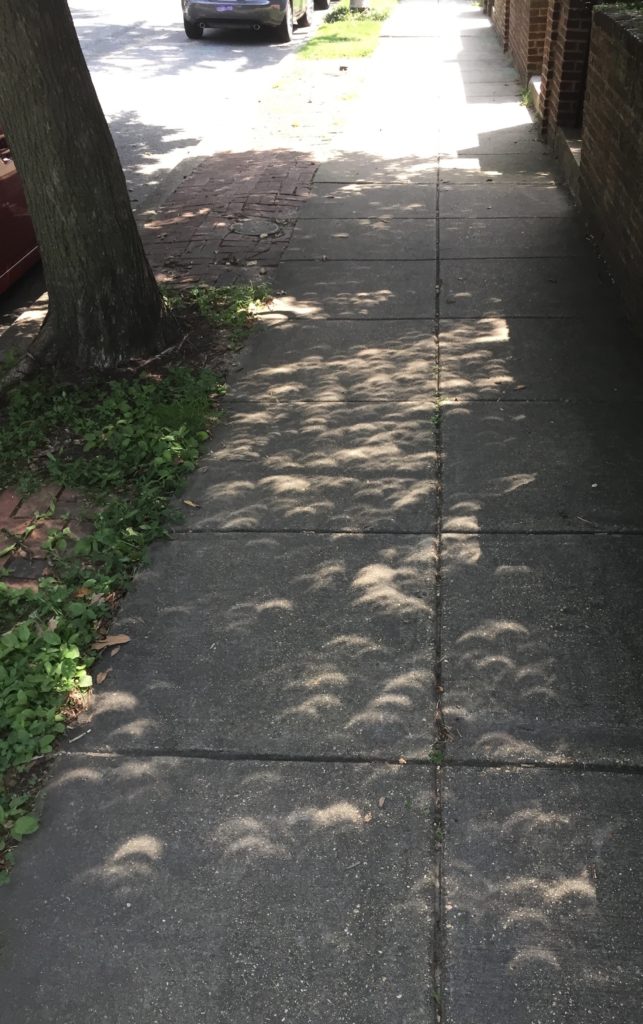 Washington, DC, April 21, 2017, 2:52:59 PM
.
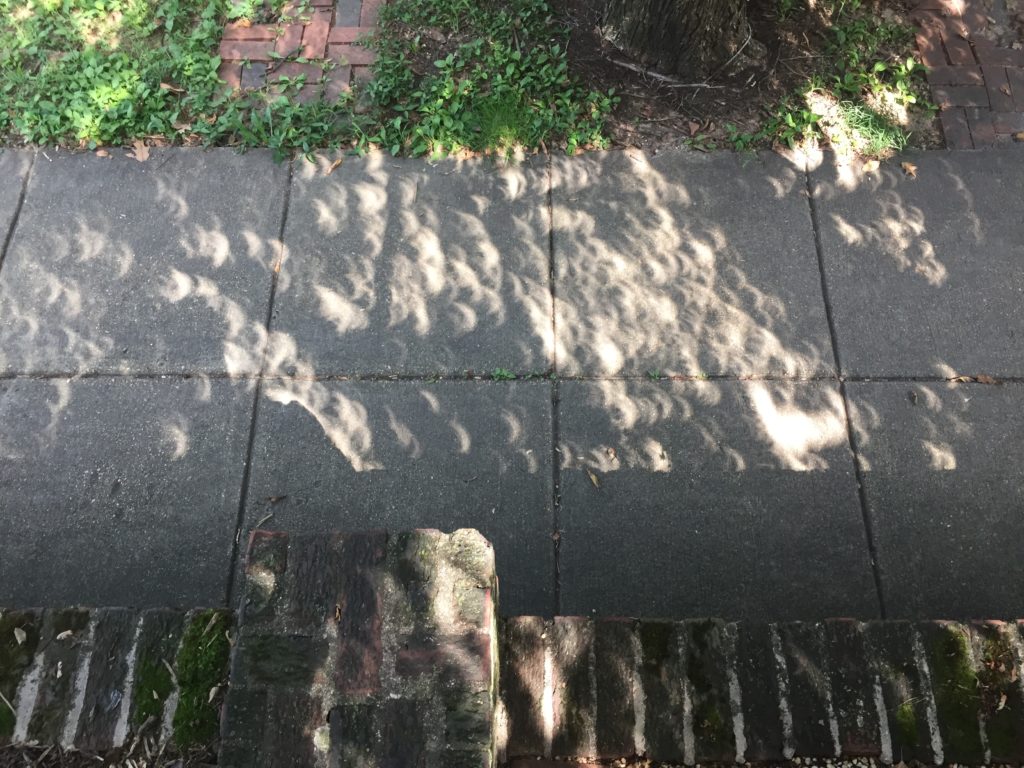 April 21, 2017, 2:57:00 PM
.
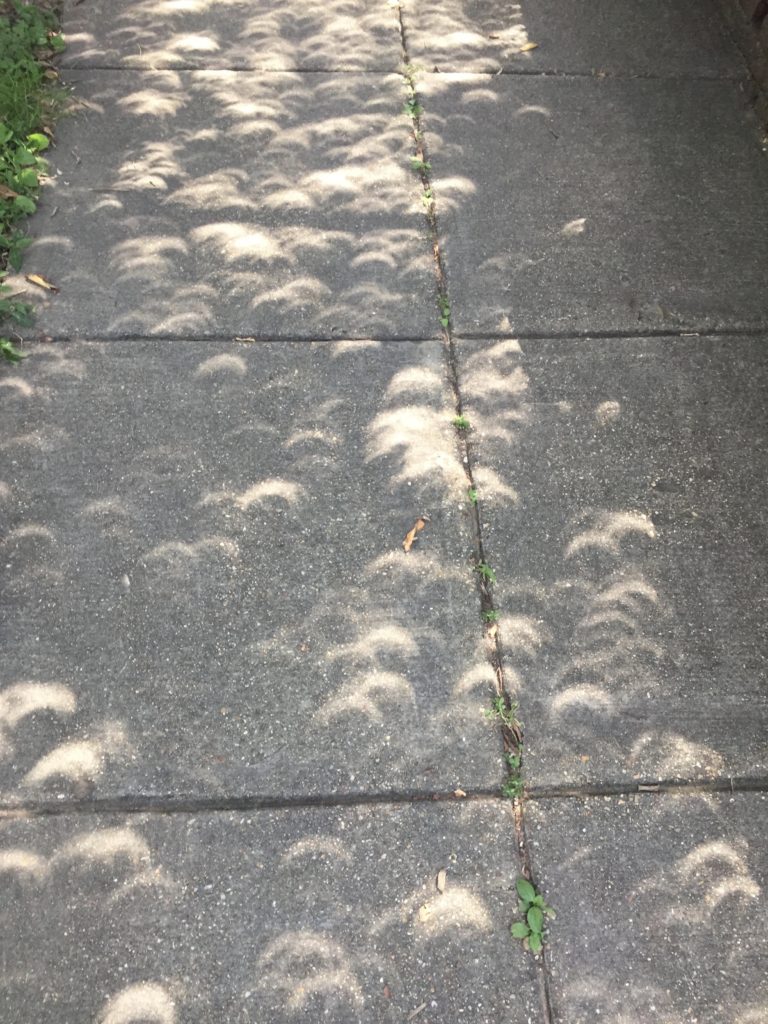 April 21, 2017, 2:50:44 PM
.
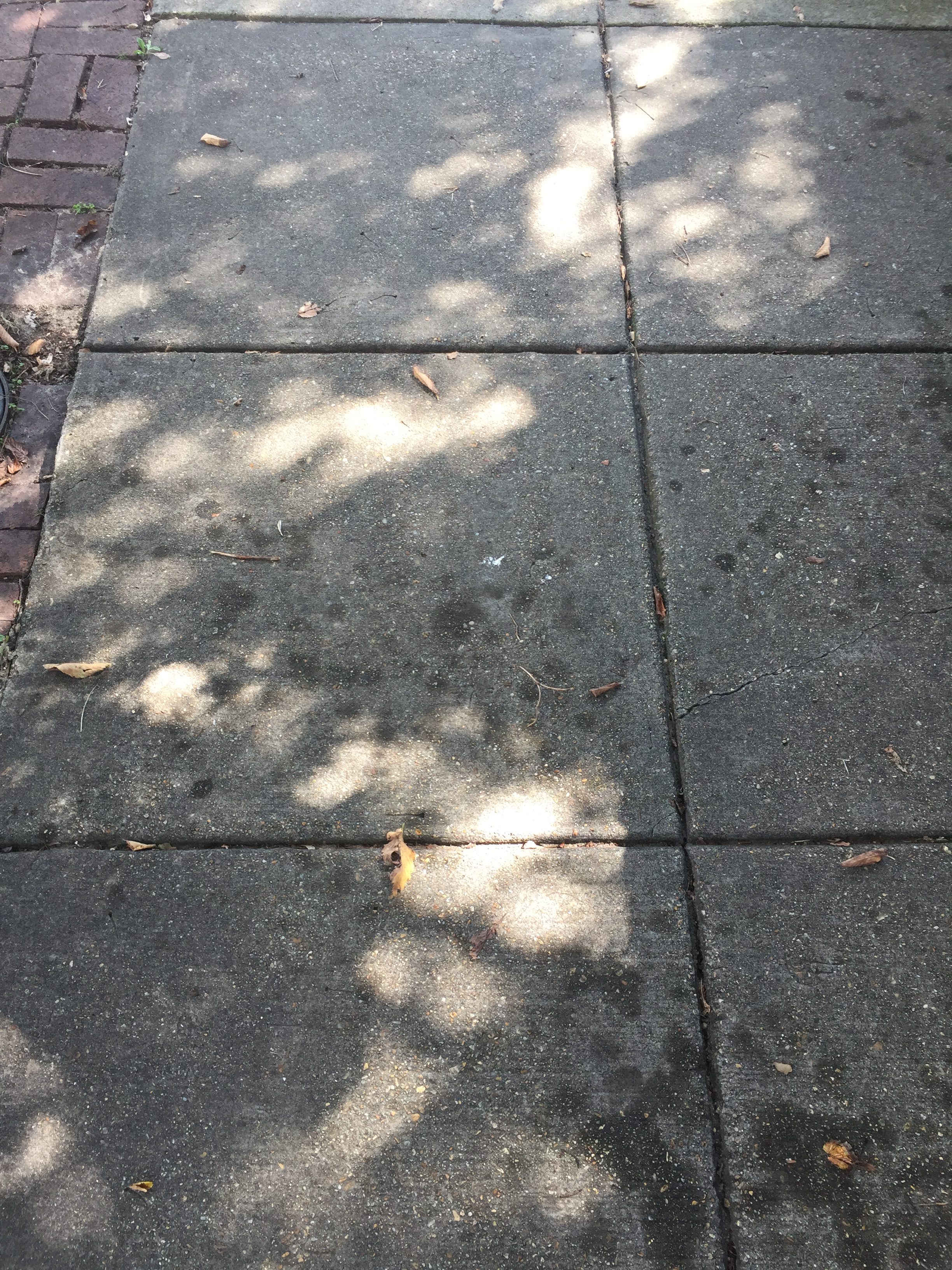
By way of comparison, this final photograph, taken nearly an hour after the eclipse had passed and after a brief rain shower, shows the normal appearance of full-disc sunshine when filtered through the tree over the same sidewalk.
.
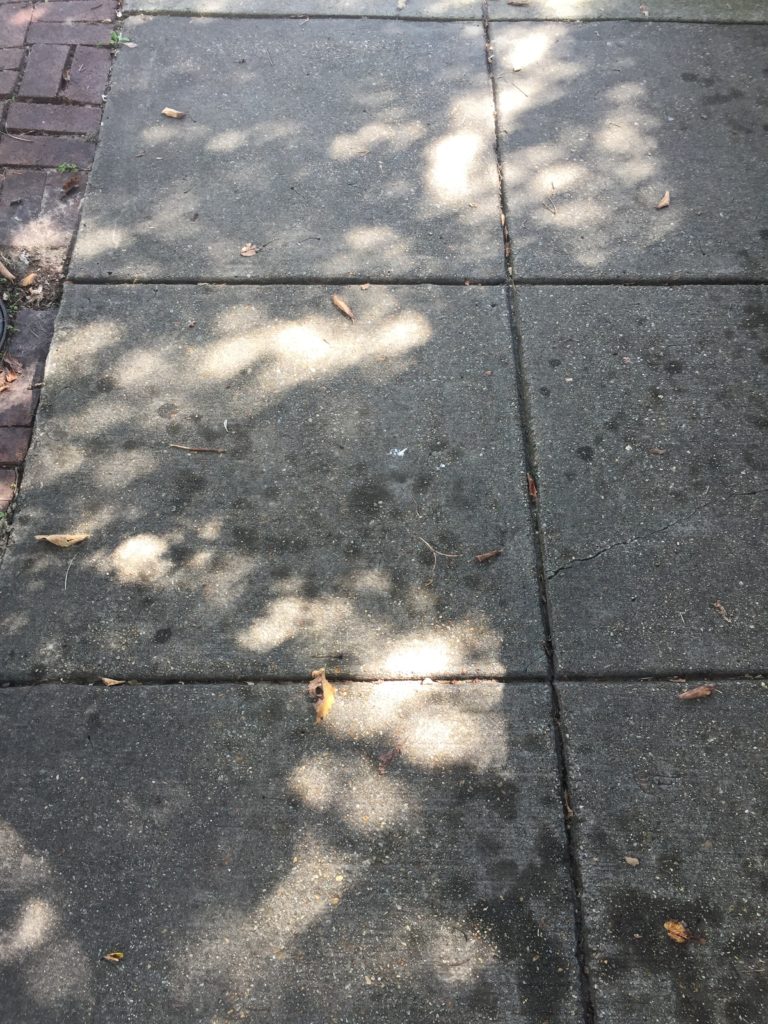 April 21, 2017, 3:45:49 PM
.
A friend informed me that Billy Ray Cyrus posted on Twitter his photo of the same phenomenon.
Tags:Billy Ray Cyrus, crescent, eclipse, feather, feathers, Moon, shape, sidewalk, Solar, sun, Twitter, Washington DC
Posted in Nature, News, Photos | No Comments »
Sunday, April 9th, 2017
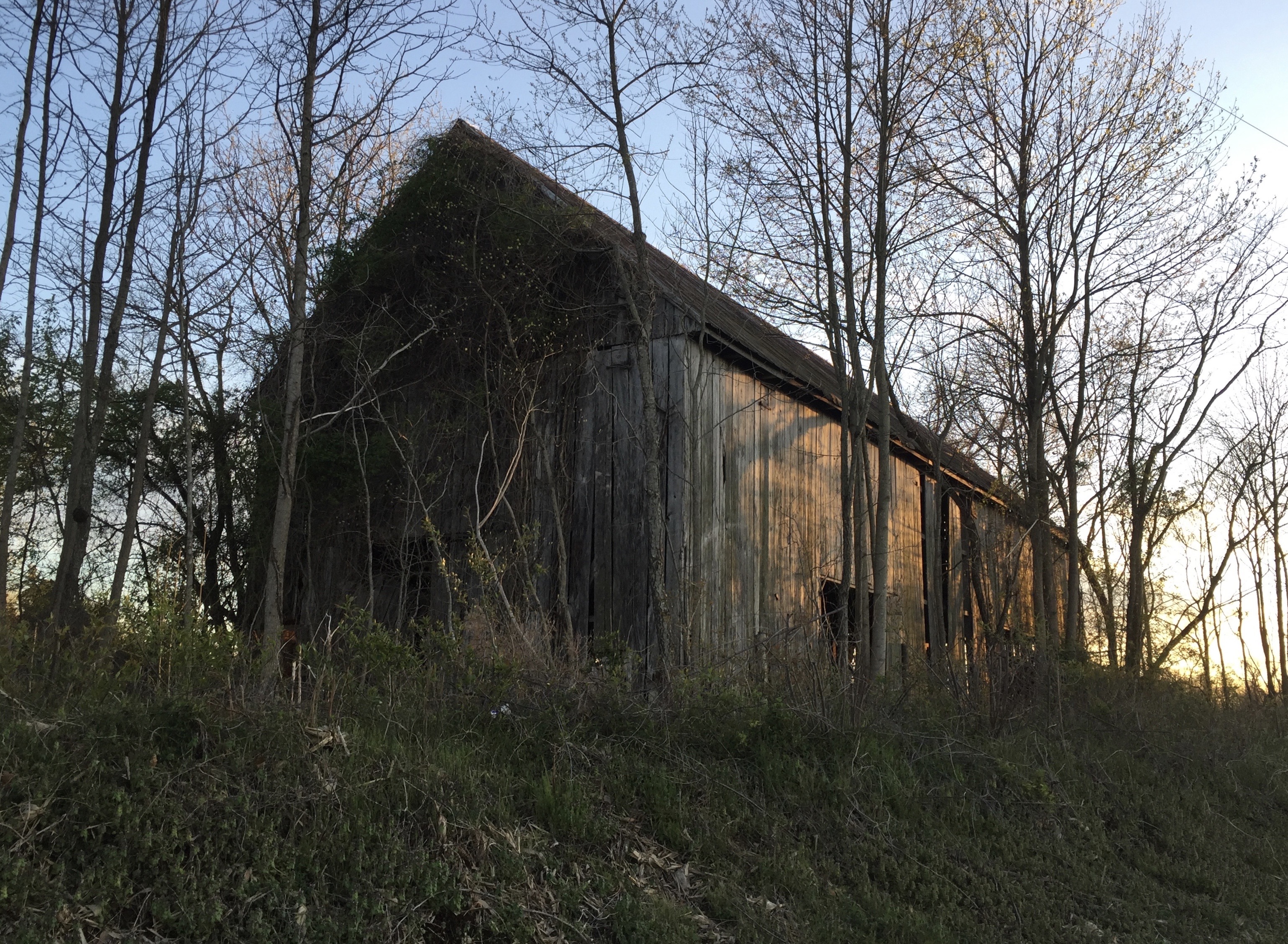
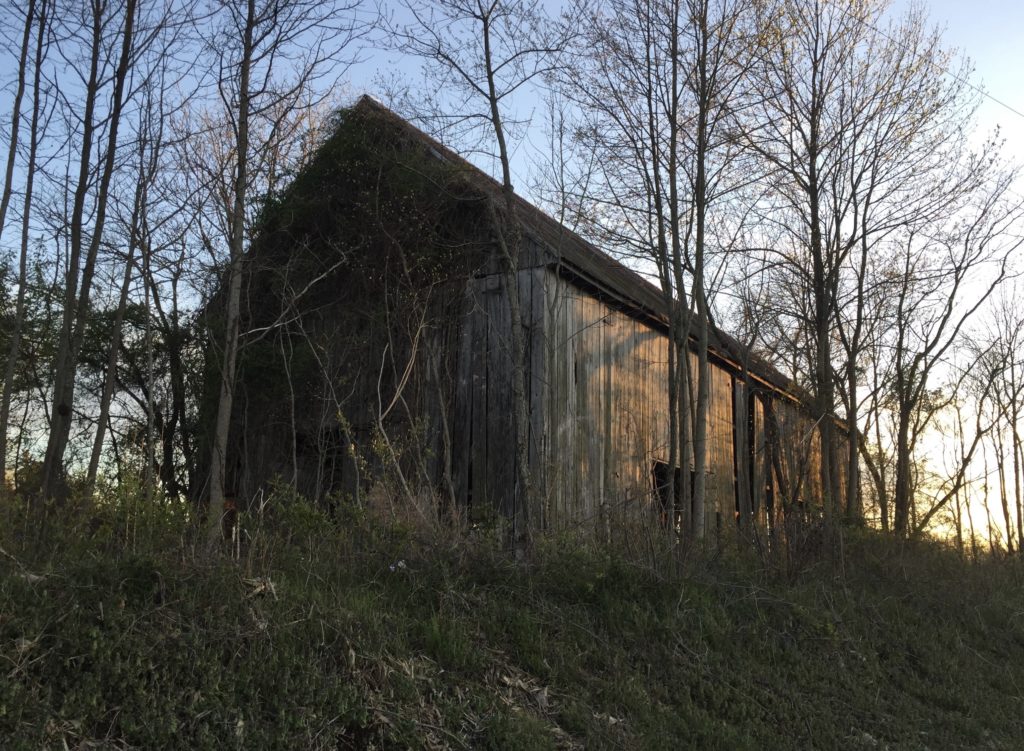
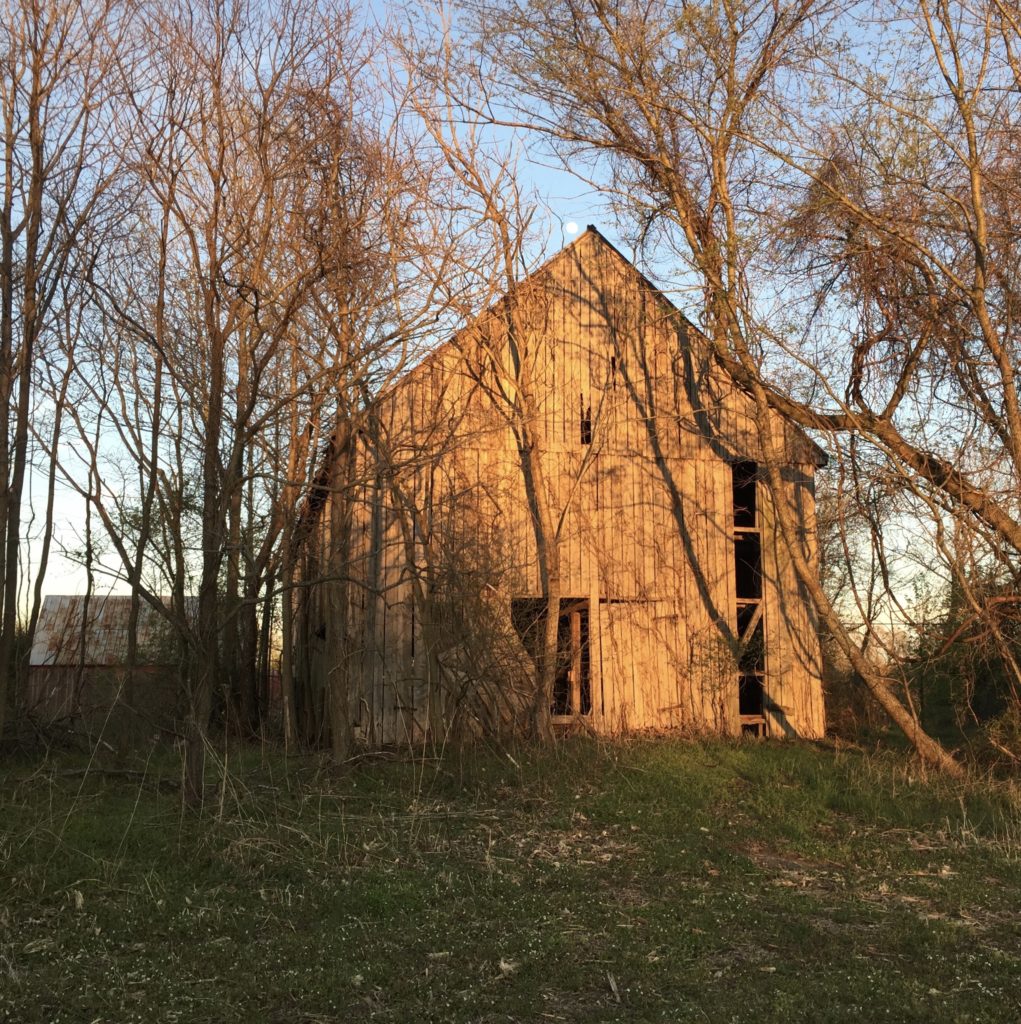
If you travel the country roads of southern Maryland’s Calvert County, you are sure to come upon many tobacco barns. They are remnants of a once thriving tobacco-growing industry. While a few barns survive in good condition, most are falling victim to disrepair and the ruinous forces of nature.
I’m intrigued by these large wooden structures. There is beauty in them. Character, too. Large and simple in form, they command the landscape with a presence somehow both rustic and majestic.
From time-to-time I plan to post photos of favorite examples.
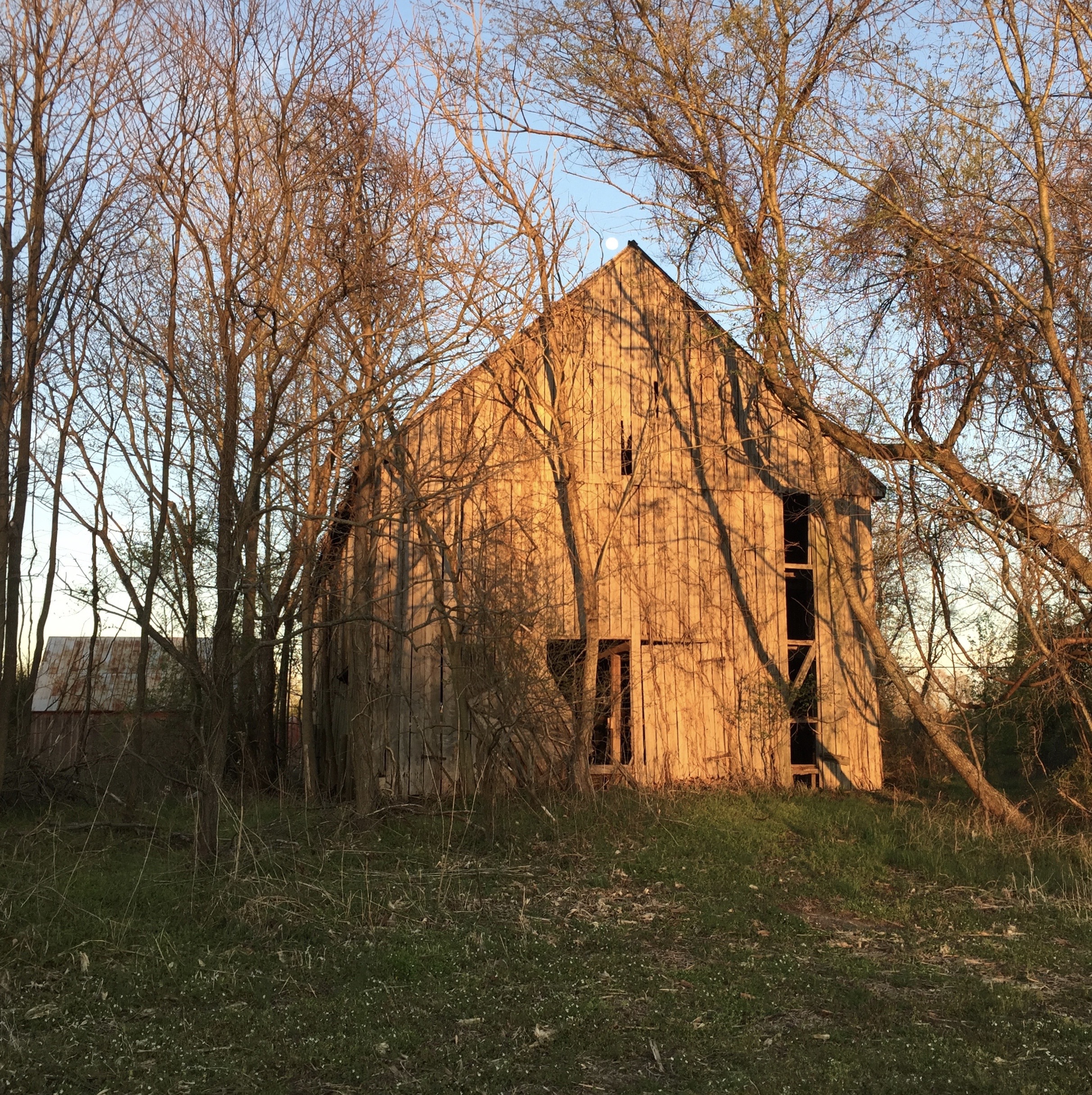
First up: A tobacco barn located in northern Calvert County at the meeting of Vanous Road and Jewell Road, photographed April 8, 2017, shortly before sunset. The second photograph catches the rising moon, in its waxing gibbous phase, trying to touch the apex of the barn’s western facade.
Click on the photos to enlarge.
.
.
 .
.
Tags:barn, Calvert County, gibbous, Jewell Road, Maryland, Moon, moon phase, moon phases, phase, phases, tobacco, Tobacco Barn, Vanous Road, waxing, waxing gibbous
Posted in Architecture, Art, History, Nature, Photos | No Comments »
Sunday, November 13th, 2016
.
Washington DC, Glover-Archbold Park, Friday, November 11, 2016 at 2:42 and 2:46 pm.
 .
.
 .
.
New York City, Fifth Ave. at 30th St., Saturday, November 12, 2016 at 2:16 pm.
 .
.
 .
.
 .
.
Tags:autumn, Donald Trump, fall, Fifth Avenue, forest, Glover Park, Glover-Archbold Park, Manhattan, nature, Nature and Protest in America, New York City, path, Protest, Trump, Washington, Washington DC, woods
Posted in Nature, News, Photos, Politics, Whither America? | 2 Comments »
Monday, September 5th, 2016
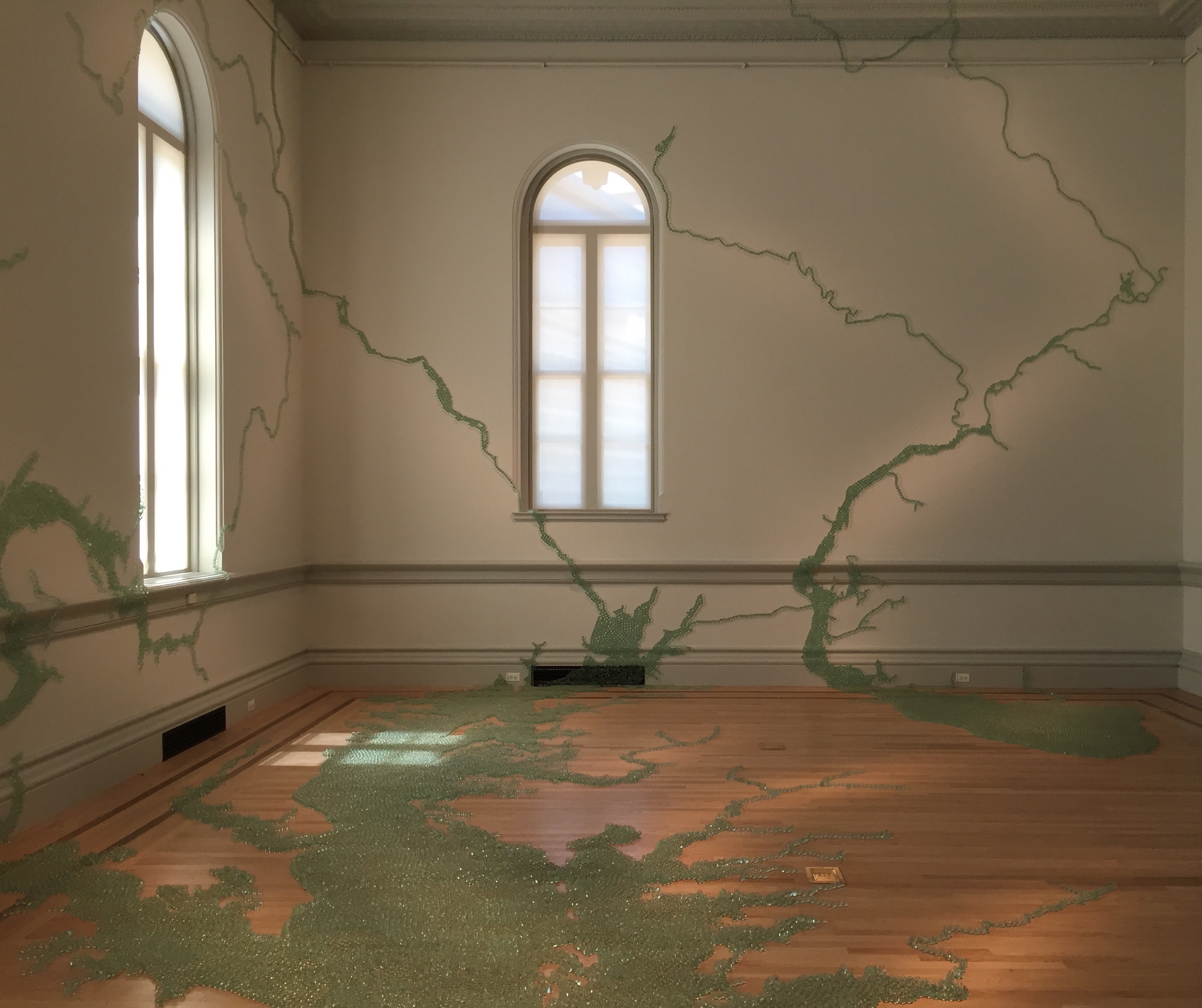
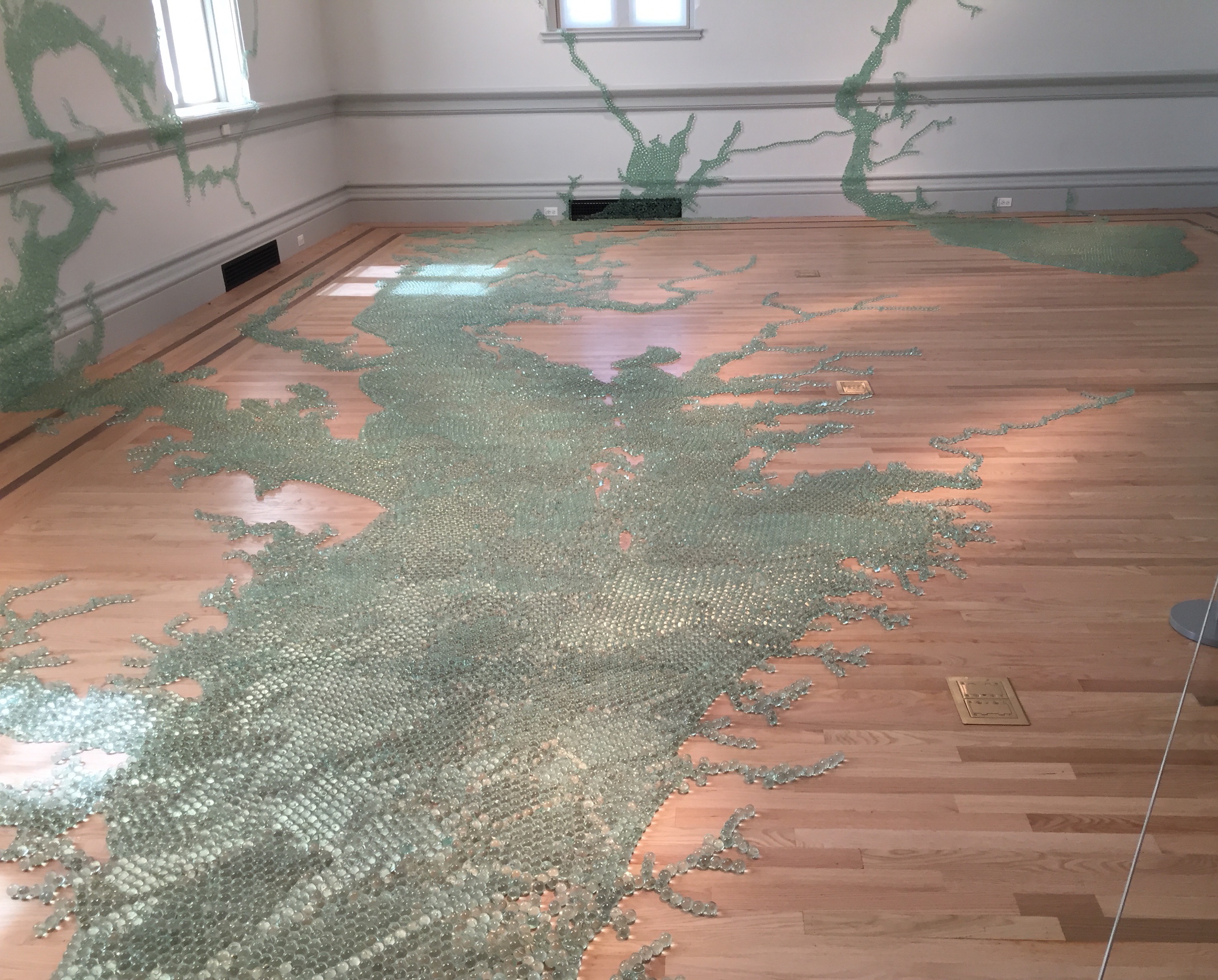
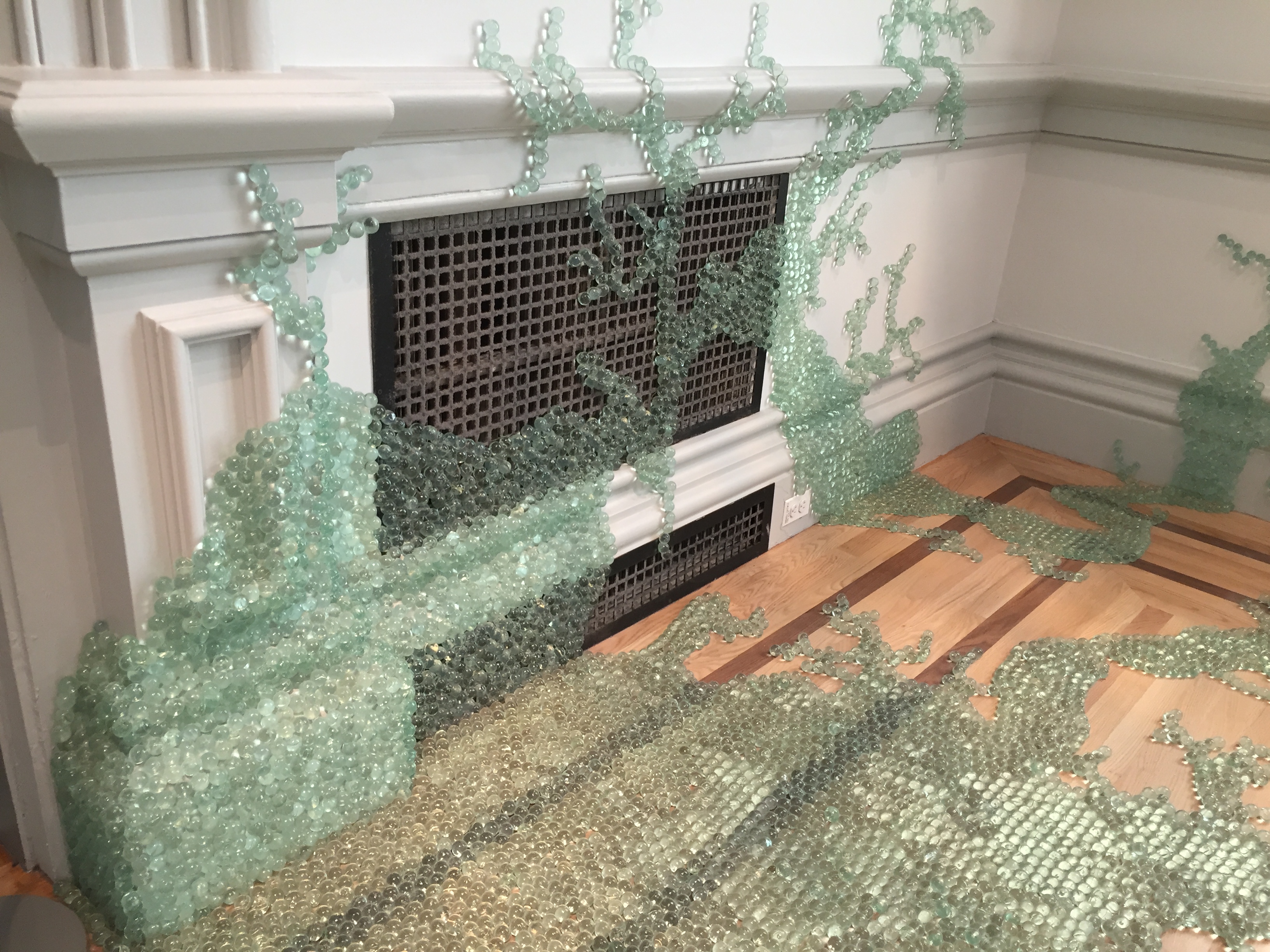
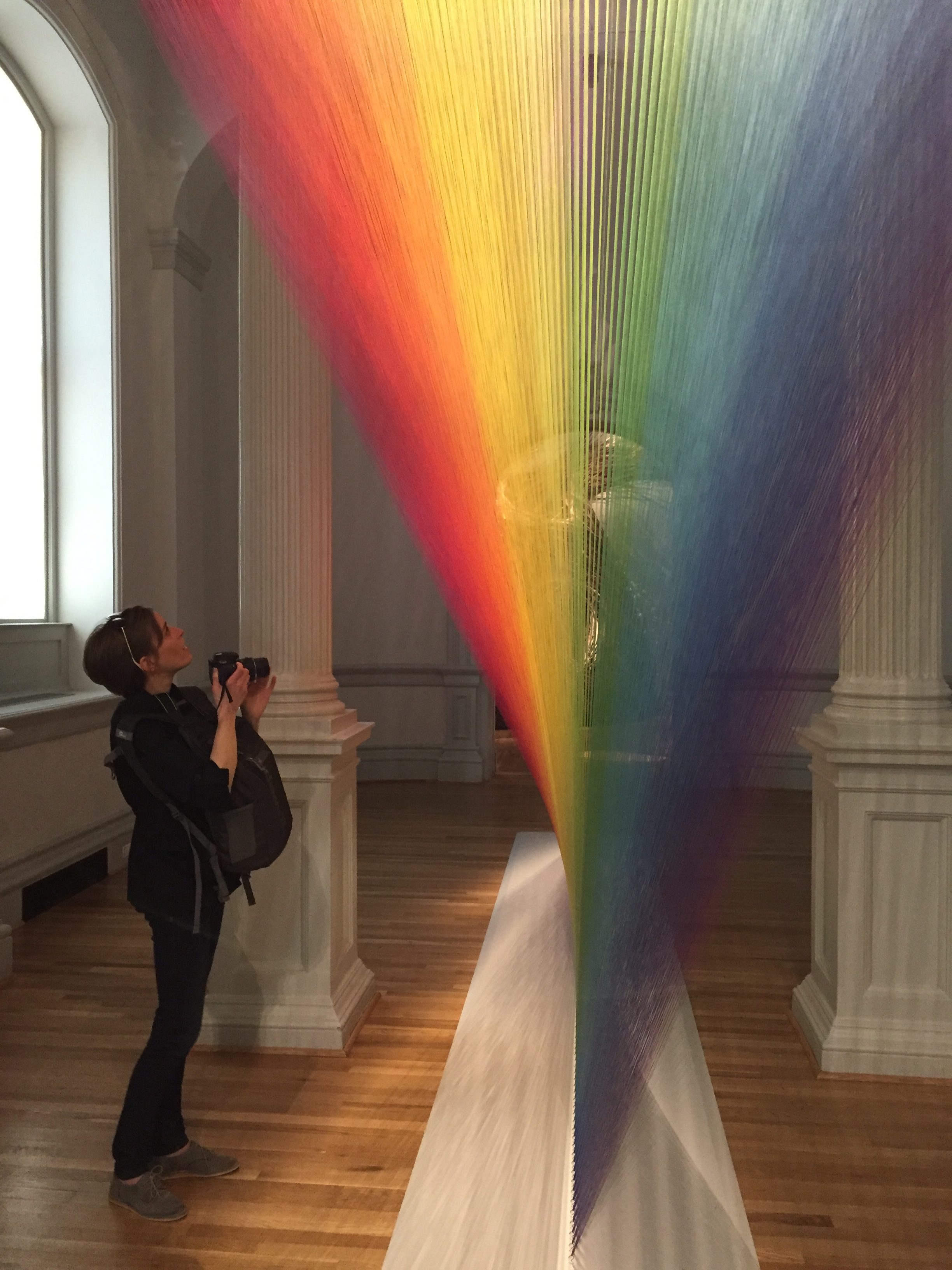
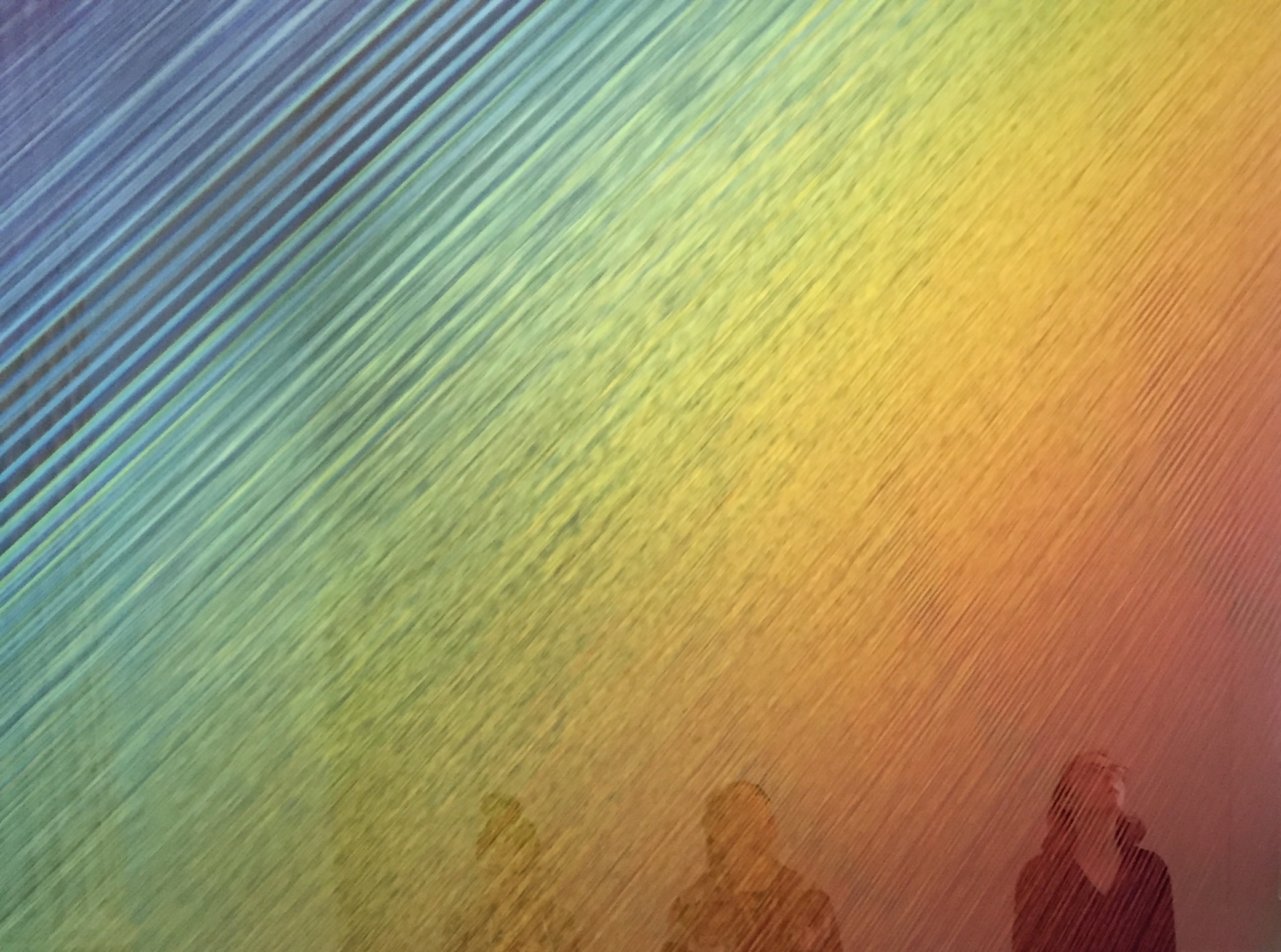
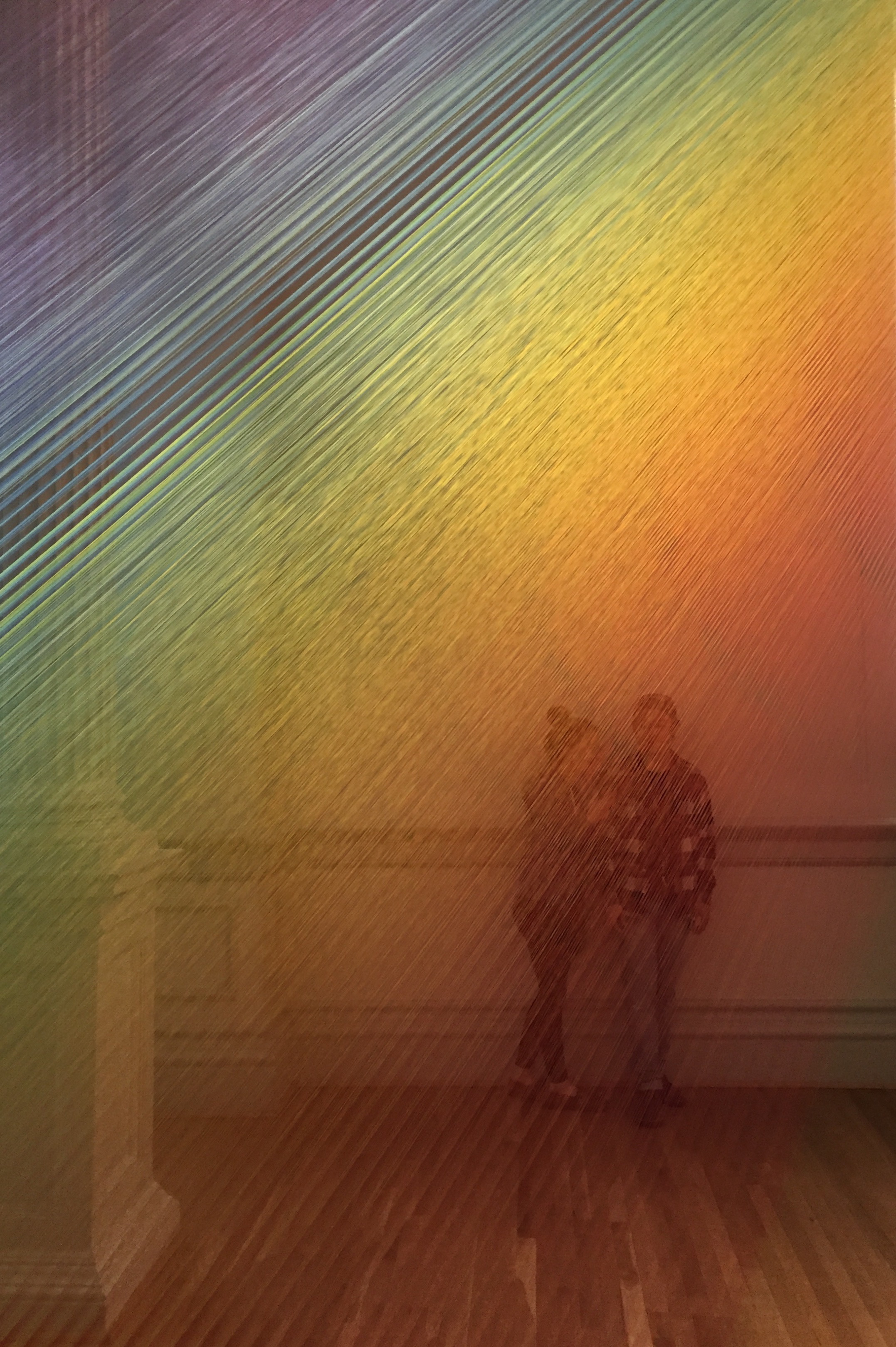
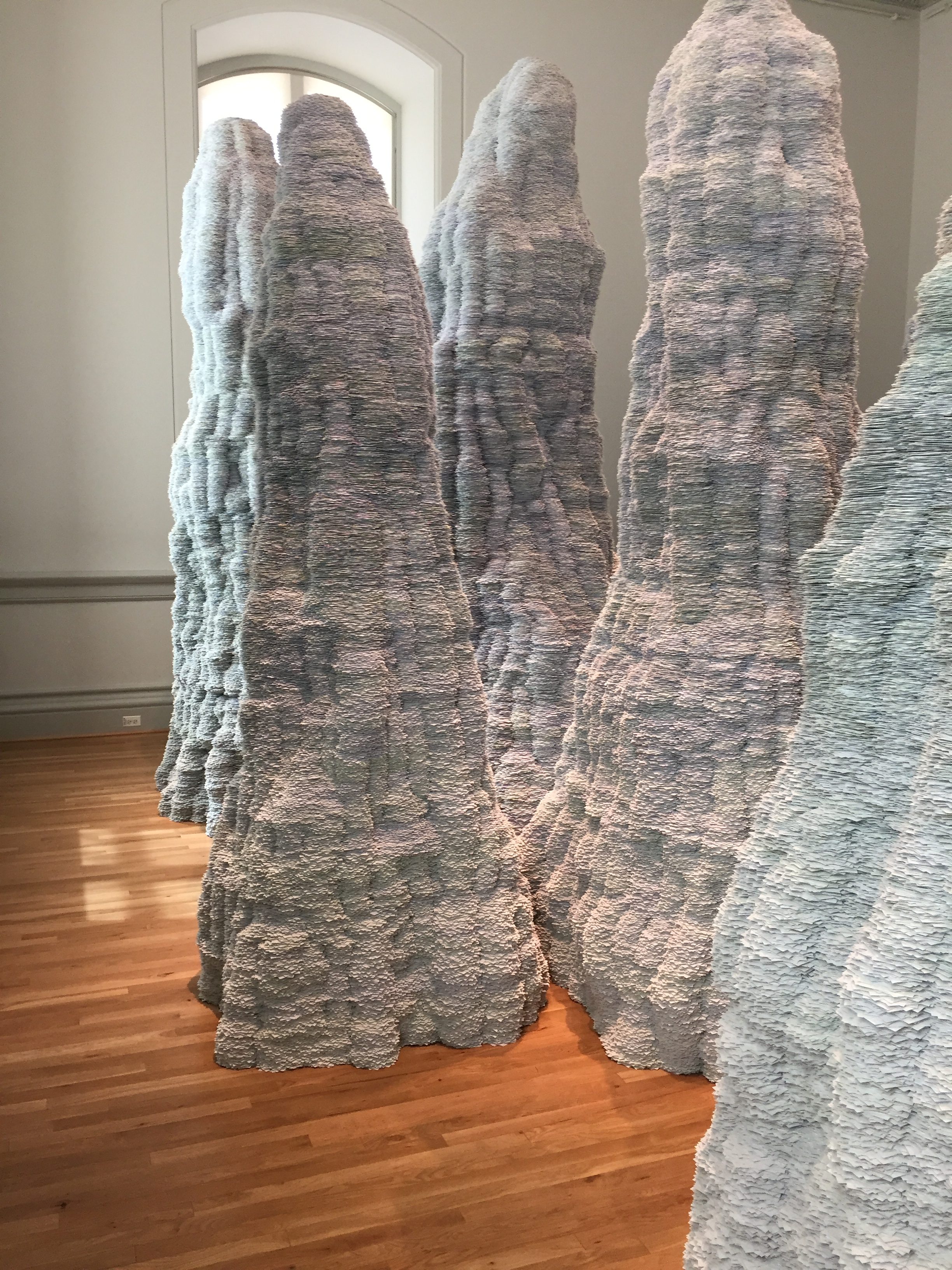
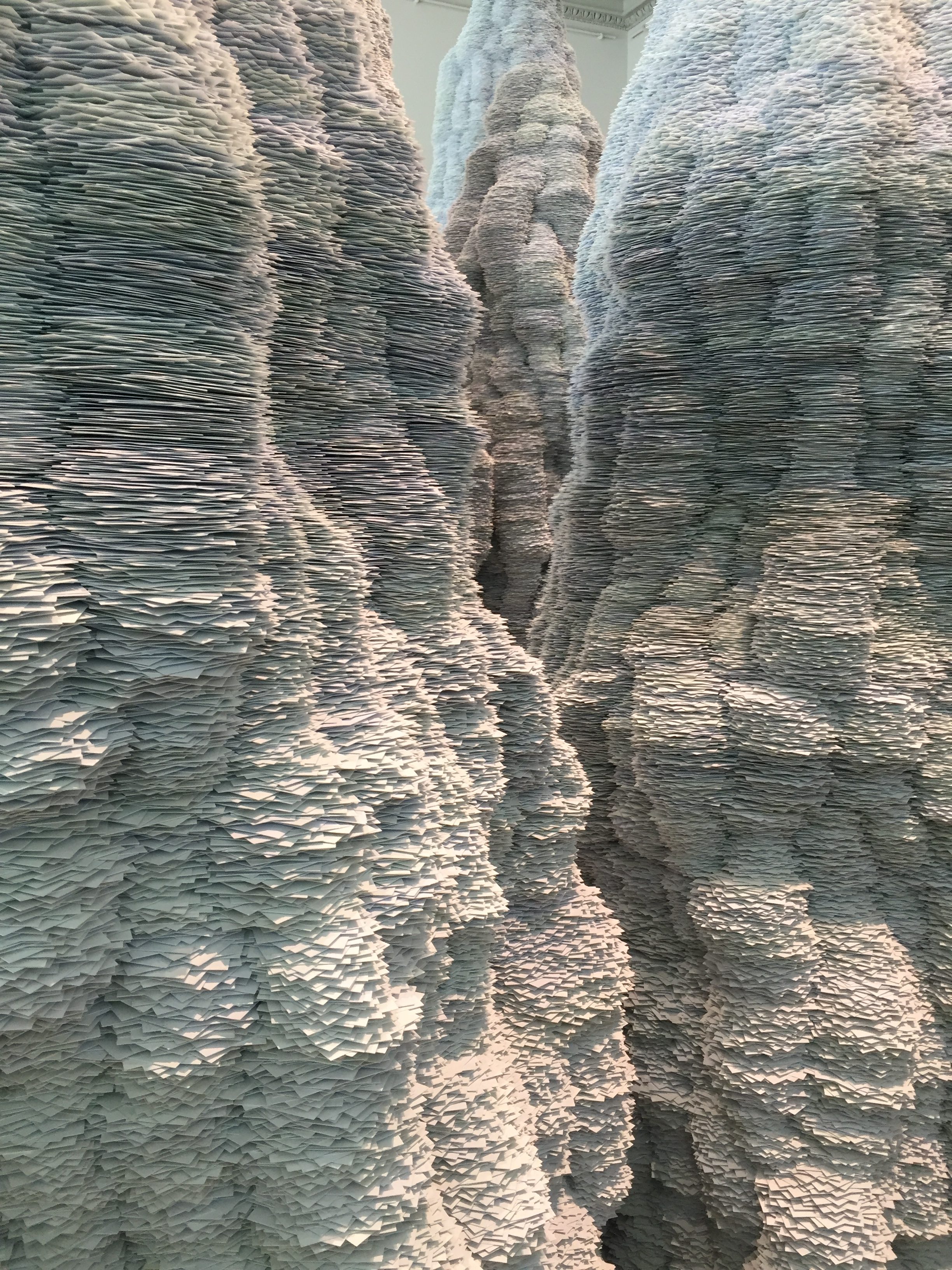
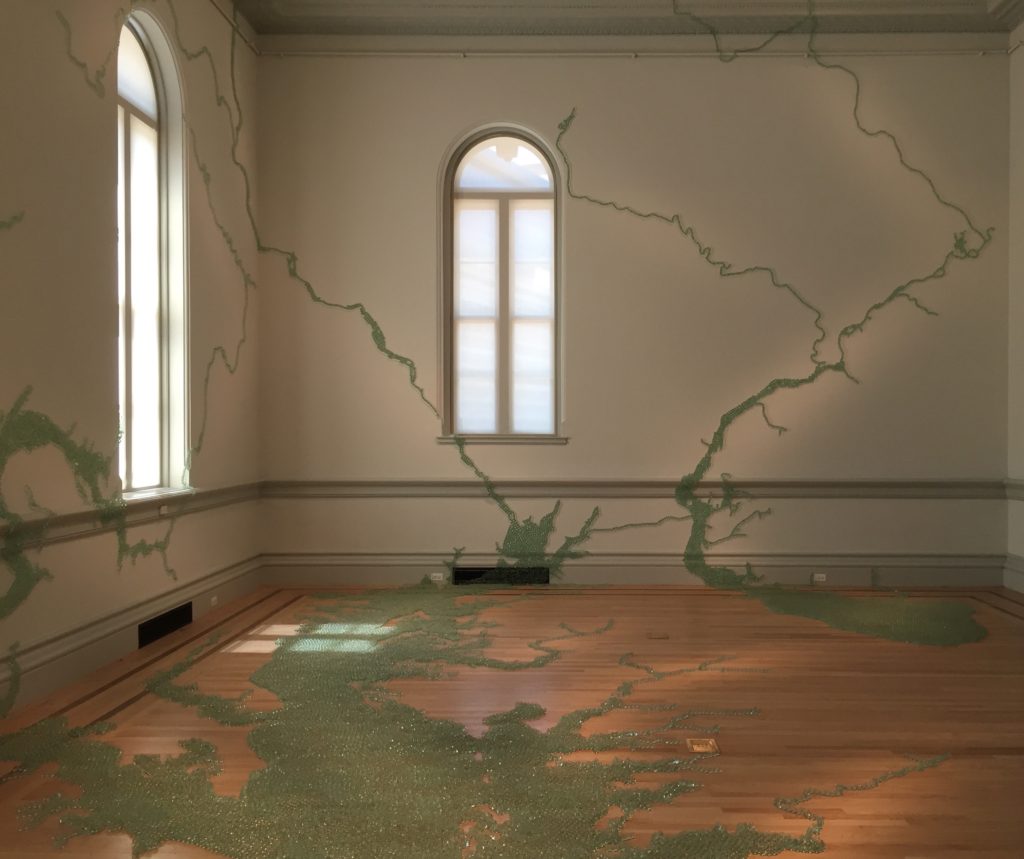
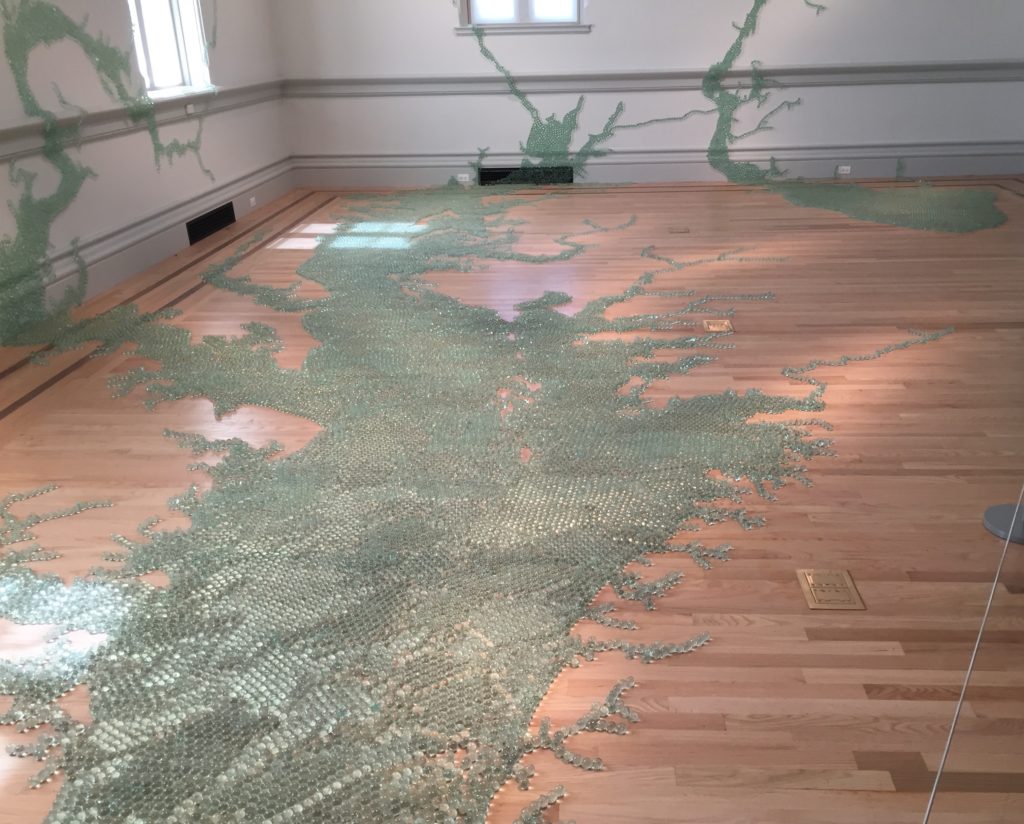
The 2015 reopening of the Renwick Gallery in Washington, DC, was celebrated with an exhibition featuring the work of nine contemporary artists. Five women and four men created site-specific installations that occupied and transformed the museum’s refurbished gallery spaces. Over a period of 8 months, visitors found themselves immersed in wonders indeed. Official photographs of the event can seen at the online gallery, here. Below are photos of three of the nine rooms that I took during my visit in April, 2016. Descriptions of the artists’ works quoted below are borrowed from the Renwick Gallery’s wall texts, found here.
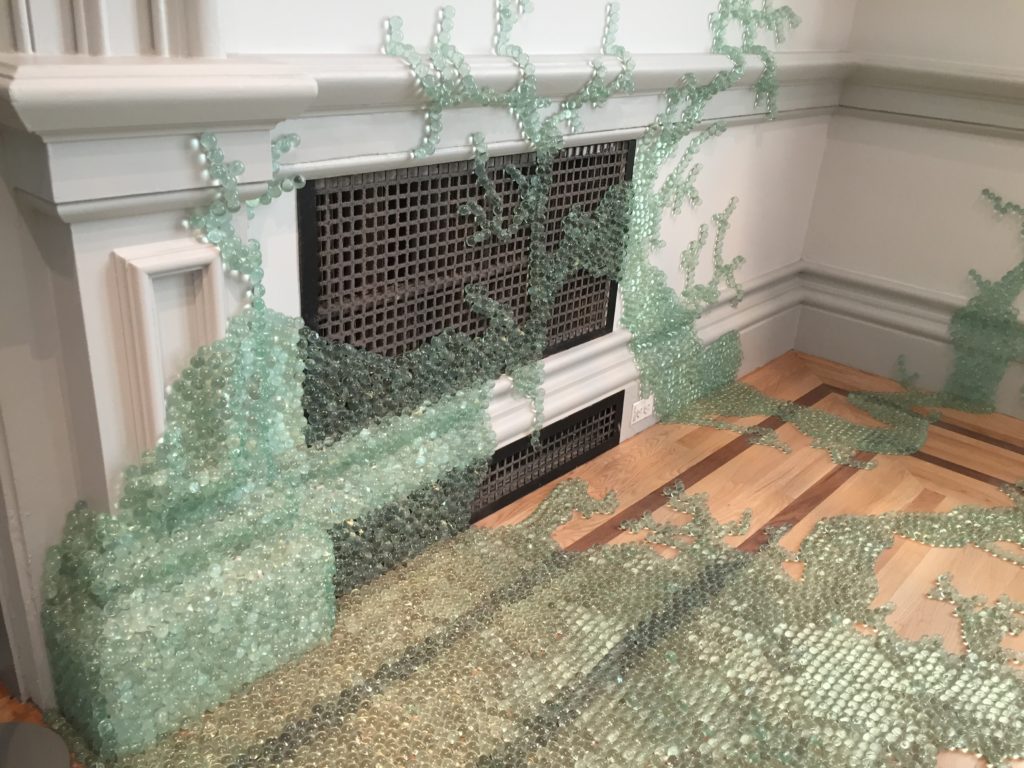
Maya Lin, Folding the Chesapeake (installation, 2015)
“Growing up in Ohio in the 1960s, Lin watched her father participate in the fledgling studio glass movement then gathering steam in nearby Toledo. The marbles used in this installation are the same industrial fiberglass product Henry Huan Lin and other glass-blowing pioneers experimented with then, which were soon abandoned by artists as technical knowledge matured. Folding the Chesapeake marks their first use by Maya Lin and a new chapter in her decades-long investigation of natural wonders. By shaping rivers, fields, canyons, and mountains within the museum, Lin shifts our attention to their outdoor counterparts, sharpening our focus on the need for their conservation.”
.
 .
.
 .
.
 .
.
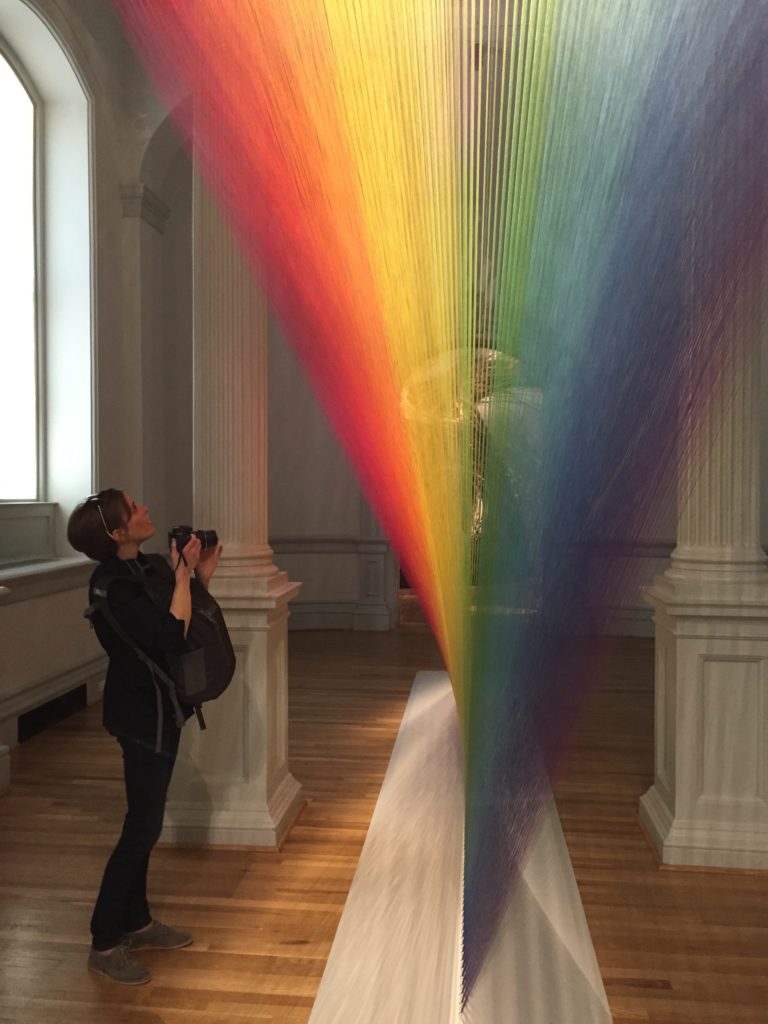
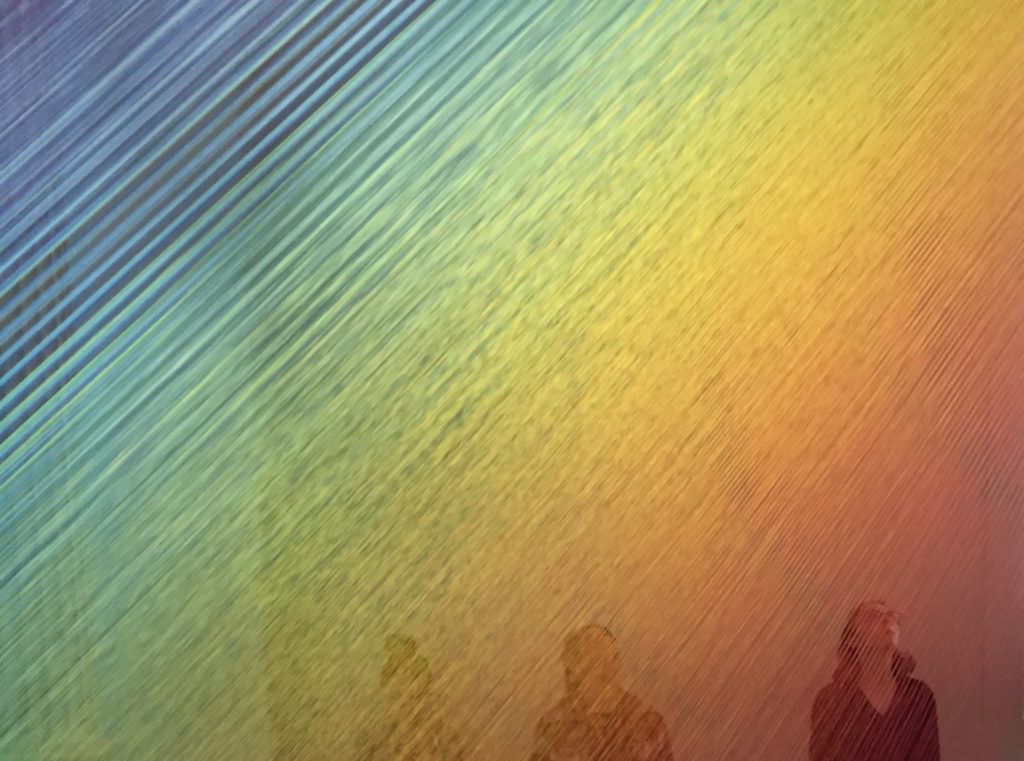
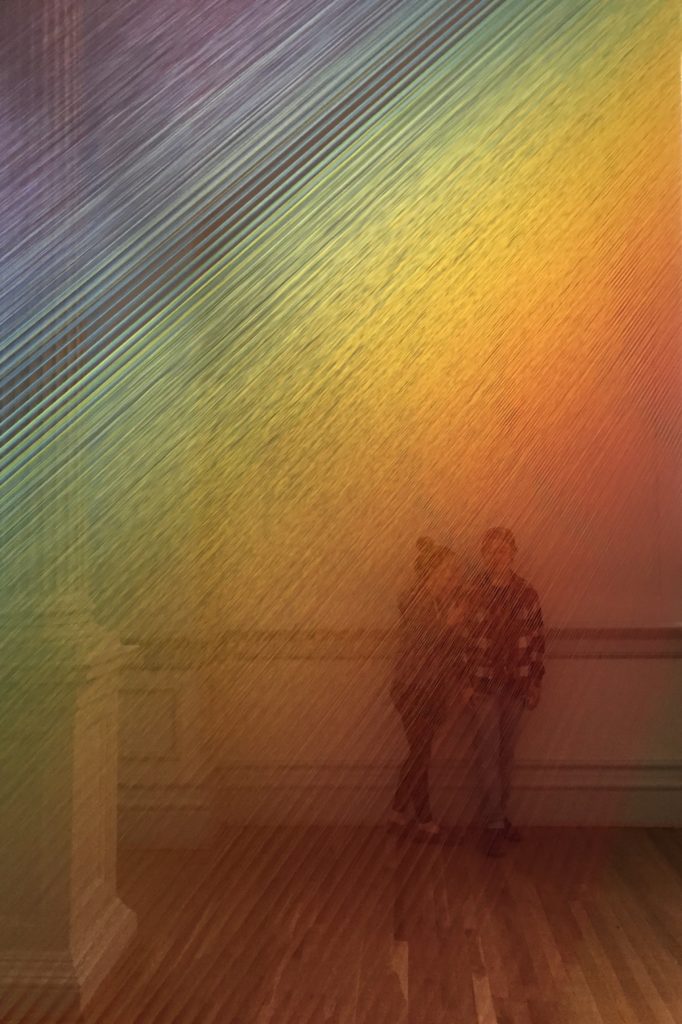
Gabriel Dawe, Plexus A1 (installation, 2015)
“Dawe’s architecturally scaled weavings are often mistaken for fleeting rays of light. It is an appropriate trick of the eye, as the artist was inspired to use thread in this fashion by memories of the skies above Mexico City and East Texas, his childhood and current homes, respectively. The material and vivid colors also recall the embroideries everywhere in production during Dawe’s upbringing.”
.
 .
.
 .
.
 .
.
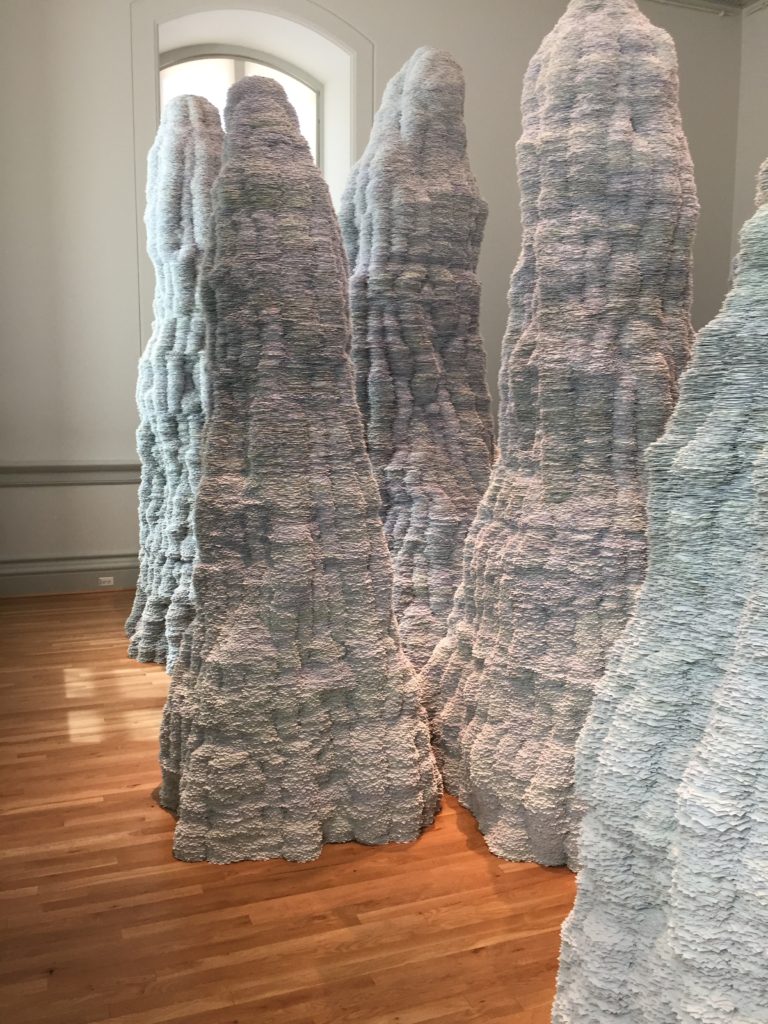
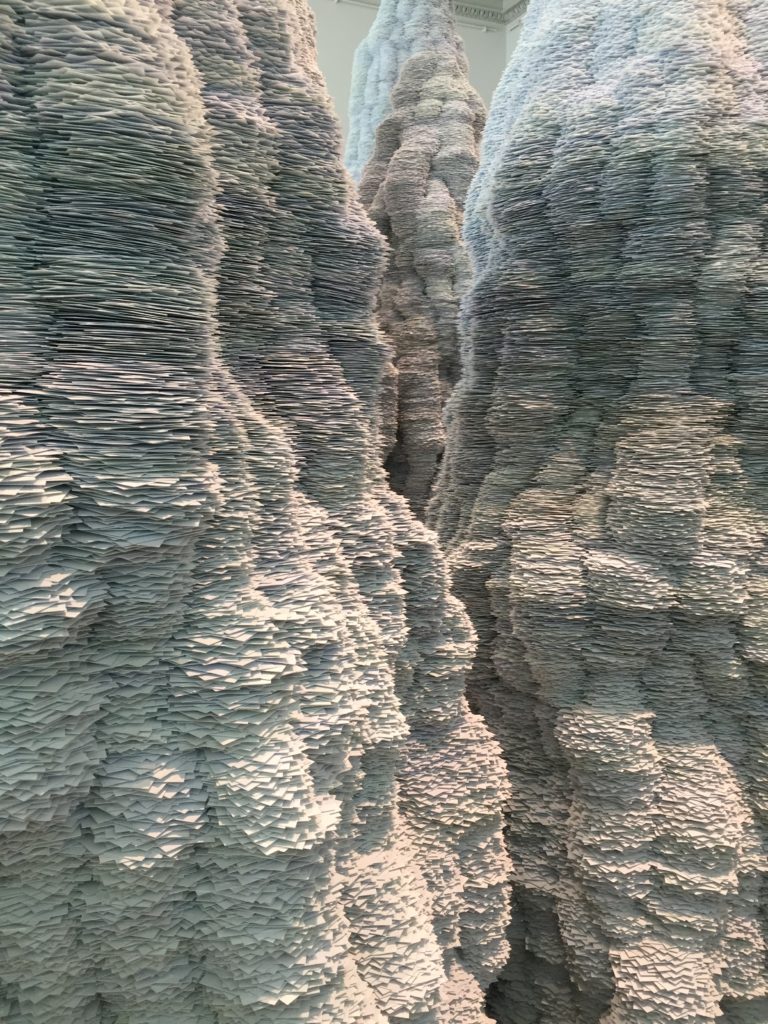
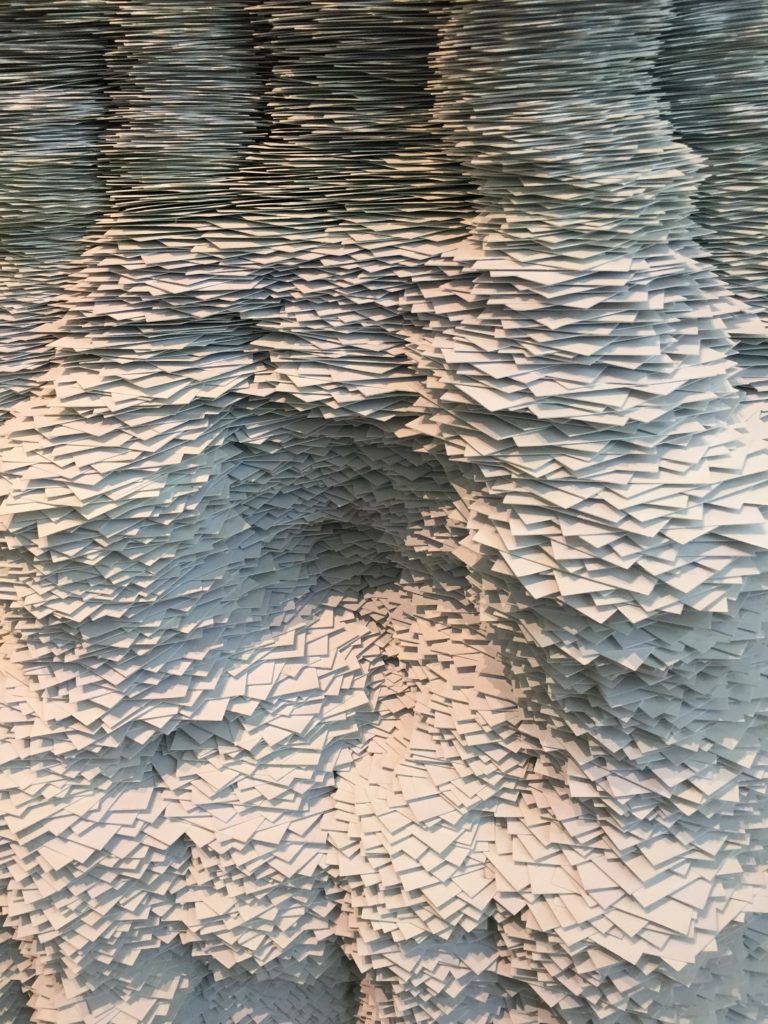
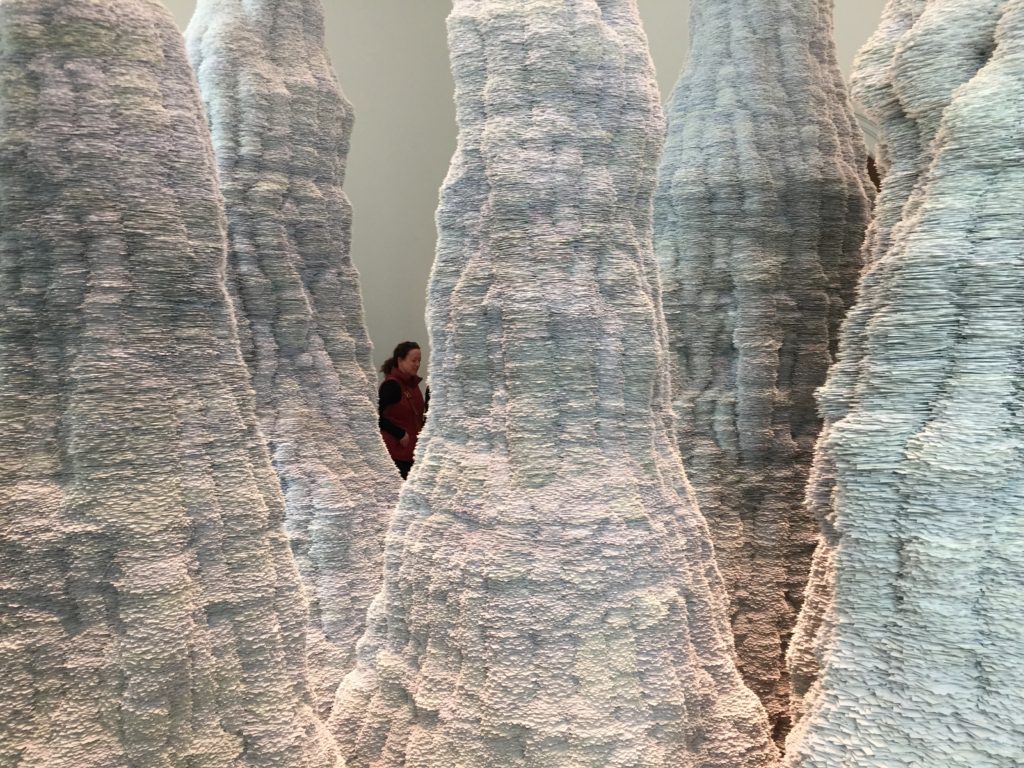
Tara Donovan, Untitled , 2014, © Tara Donovan, courtesy of Pace Gallery
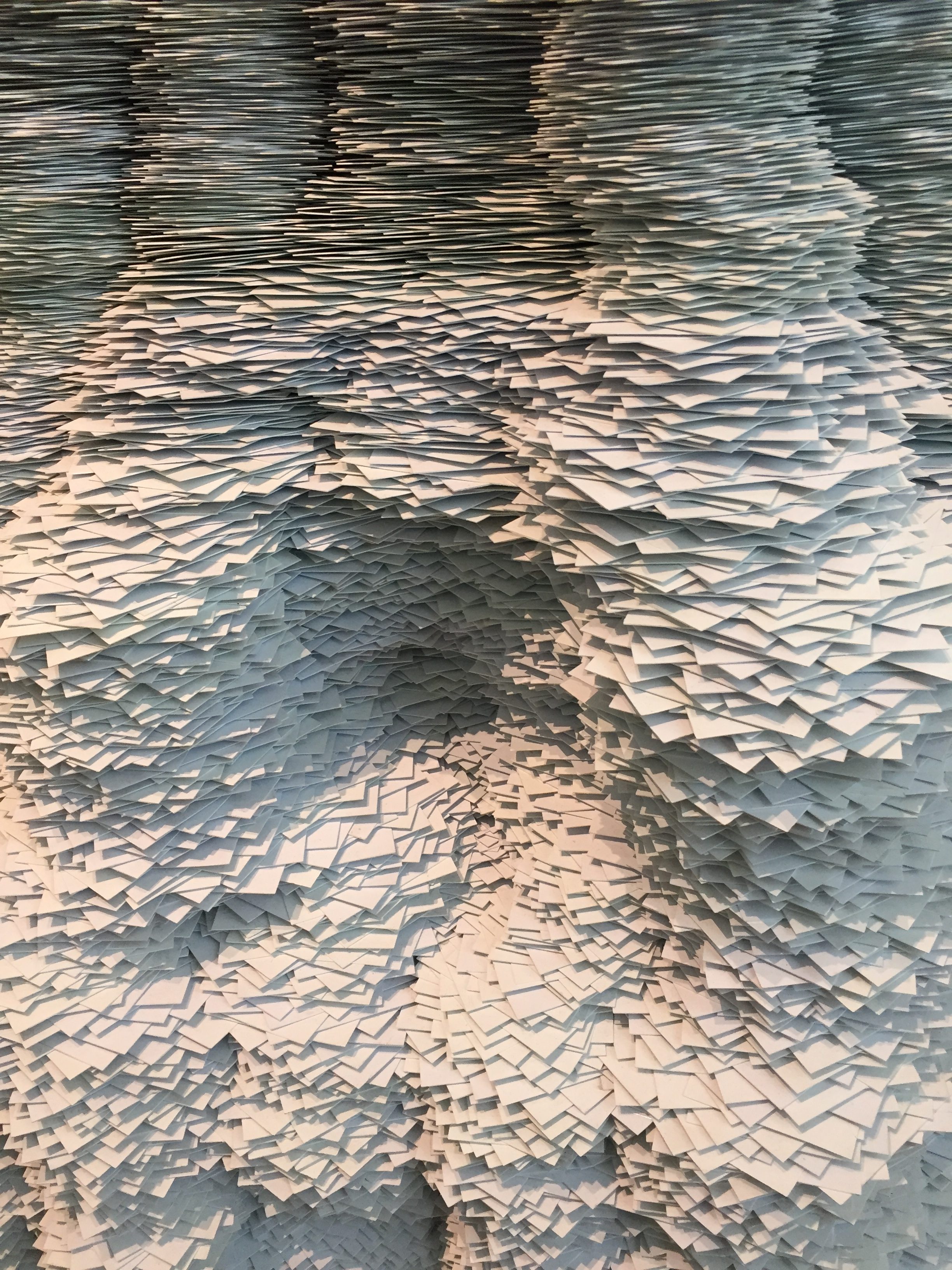
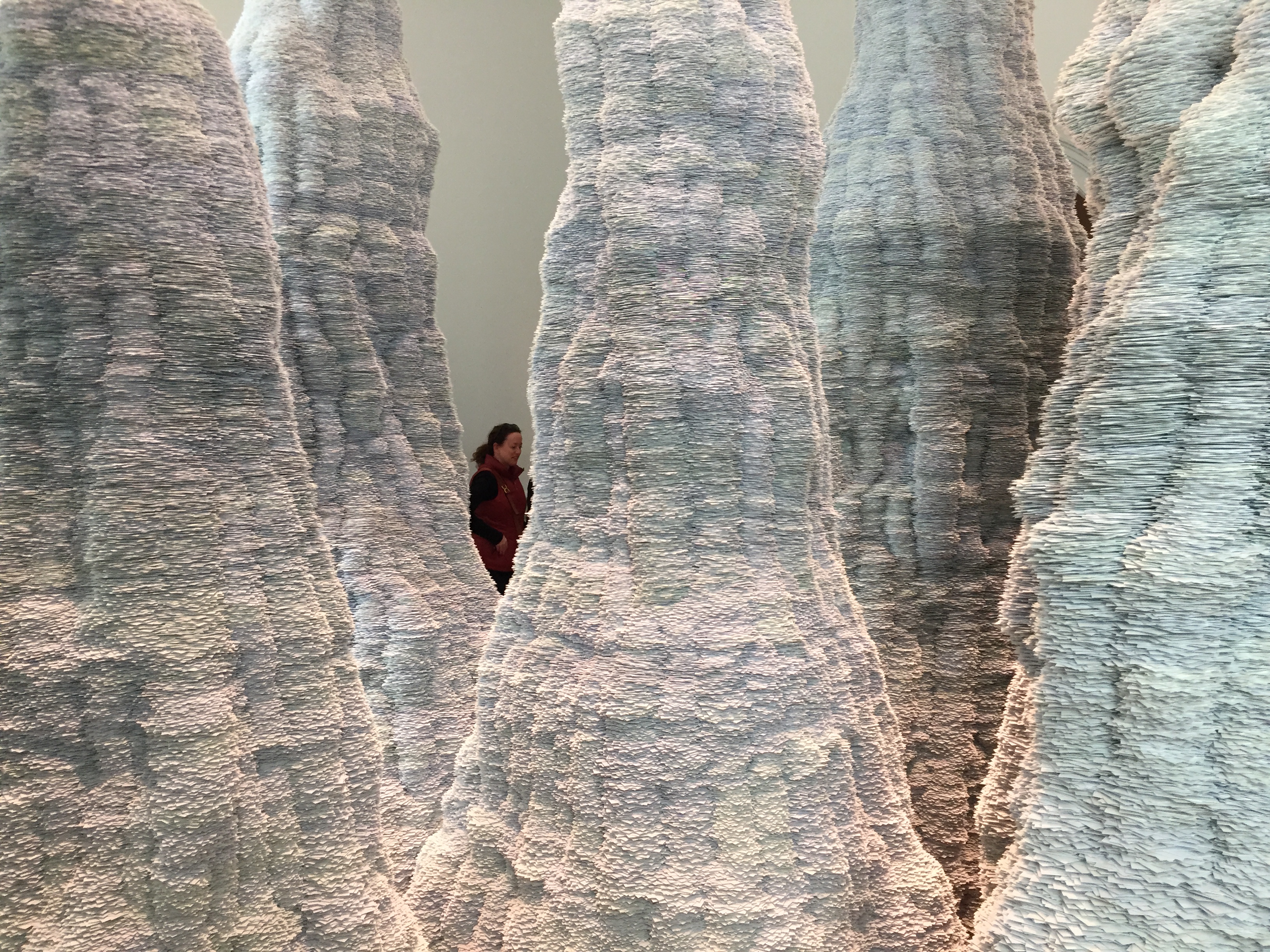
“Employing mundane materials such as toothpicks, straws, Styrofoam cups, scotch tape, and index cards, Donovan gathers up the things we think we know, transforming the familiar into the unrecognizable through overwhelming accumulation. The resulting enigmatic landscapes force us to wonder just what it is we are looking at and how to respond. The mystery, and the potential for any material in her hands to capture it, prompts us to pay better attention to our surroundings, permitting the everyday to catch us up again.”
.
.
 .
.
.
 .
.
Tags:Chesapeake Bay, Gabriel Dawe, Gallery, Maya Lin, Philadelphia, Renwick, Smithsonian Museum of American Art, Tara Donavan
Posted in Architecture, Art, Culture, Nature, Photos | No Comments »
Saturday, January 30th, 2016
.
Photos of Glover Park yesterday at dusk: a hand-printed sign guarding a shoveled-out parking space, and a sunset view from the edge of the park.
.

.

.
More examples of parking-space “dibs” signs, made by city folks in DC and Philadelphia as they dug their way out of the blizzard of 2016, can be found here.
Tags:blizzard, blizzard of 2016, dibs signs, dug out parking spots, dusk, Glover Park, man, man vs nature, nature, Parking Space, shoveled, sign, snow, Snow Law: You Do Not Park Here, snowmageddan, snowpocalypse, snowzilla, sunset, warning sign, Washington DC
Posted in Humor, Nature, Photos | No Comments »
Wednesday, December 23rd, 2015
.
The time: December 22, 2015, 10:48 am. The setting: Intersection of Pennsylvania Ave. and 18th Street NW, Washington, DC.
.

.
In the wake of a light rain shower, two spots of colorful efflorescence appear on the surface of the asphalt.
.

.
Are these not astronomical images, the one suggesting a spiral galaxy and the other an eclipsed star?
.

.

.
More about oil blooms on wet streets, here. The phenomenon–known in physics as oil film interference–is exhaustively explained here. Check out this brilliant Instagram shot of what looks like a furry jellyfish floating through space.
For a previous post of mine discussing another instance when mother nature displays her art on man’s concrete, click here.
Tags:oil blooms, oil film interference, Pennsylvania Avenue, Washington DC
Posted in Nature, Photos | No Comments »